
ACADEMY OF MEDICAL SCIENCES RAISES ALARM OVER RISING LASSA FEVER DEATHS, URGES URGENT ACTION
Read Time:2 Minute, 27 Second
By Aishat Momoh. O.
The Academy of Medical Sciences Nigeria has called for immediate and coordinated national action following a sharp increase in Lassa fever infections and fatalities across the country.
In a statement signed by its President, Prof. Obinna Onwujekwe, and Chairman of its Rapid Response Committee, Emeritus Prof. Osato Giwa-Osagie, the Academy expressed concern over the worsening outbreak, warning that the rising death toll and continued spread of the disease demand urgent intervention.
According to data from the Nigeria Centre for Disease Control and Prevention (NCDC), Nigeria recorded 5,034 suspected cases, 793 laboratory-confirmed infections and 204 deaths as of Epidemiological Week 19, covering May 4 to May 10, 2026.
The Academy noted that the case fatality rate has climbed to 25.7 per cent, significantly higher than the 19.4 per cent recorded during the same period in 2025.
Describing Lassa fever as one of Nigeria’s most serious viral haemorrhagic diseases, the Academy said the illness continues to place enormous pressure on the healthcare system while causing preventable deaths and economic losses.
It revealed that confirmed cases have been reported in 23 states and 108 local government areas, with Bauchi, Ondo, Taraba, Edo and Benue states accounting for more than 80 per cent of infections nationwide.
The Academy identified late presentation of patients, poor public awareness, weak health-seeking behaviour and inadequate infection prevention measures in healthcare facilities as major factors contributing to the increasing mortality rate.
It also highlighted environmental conditions that encourage rodent infestation, alongside seasonal transmission risks, as key drivers of the outbreak.
Expressing concern over infections among healthcare workers, the Academy said the trend exposes significant gaps in infection prevention and control measures that require urgent attention.
The body called on the Federal Ministry of Health and state governments to strengthen disease surveillance, improve early detection systems and deploy rapid response teams to outbreak hotspots.
It also urged authorities to expand access to designated treatment centres, increase laboratory testing capacity and ensure adequate supplies of personal protective equipment for frontline healthcare workers.
To strengthen preparedness, the Academy recommended the establishment of at least one fully equipped referral treatment centre in every high-risk state.
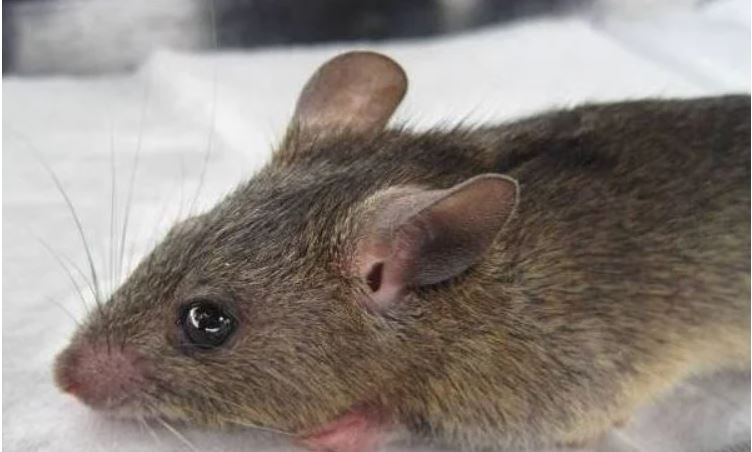
For the public, it advised proper food storage, improved environmental sanitation and avoidance of contact with rodents, which are the primary carriers of the virus.
The Academy further encouraged Nigerians experiencing persistent fever or symptoms associated with Lassa fever to seek prompt medical attention and avoid self-medication.
It also stressed the need for intensified public awareness campaigns to combat misinformation and promote preventive health practices.
The Academy reaffirmed its readiness to collaborate with government agencies, healthcare institutions and development partners through scientific guidance, advocacy and public education to curb the spread of the disease.
It concluded that early detection, prompt treatment, strict infection control measures, environmental sanitation and sustained government commitment remain the most effective strategies for reducing the burden of Lassa fever in Nigeria.


Happy
0 %

Sad
0 %

Excited
0 %

Sleepy
0 %

Angry
0 %

Surprise
0 %
 0
0
 0
0