
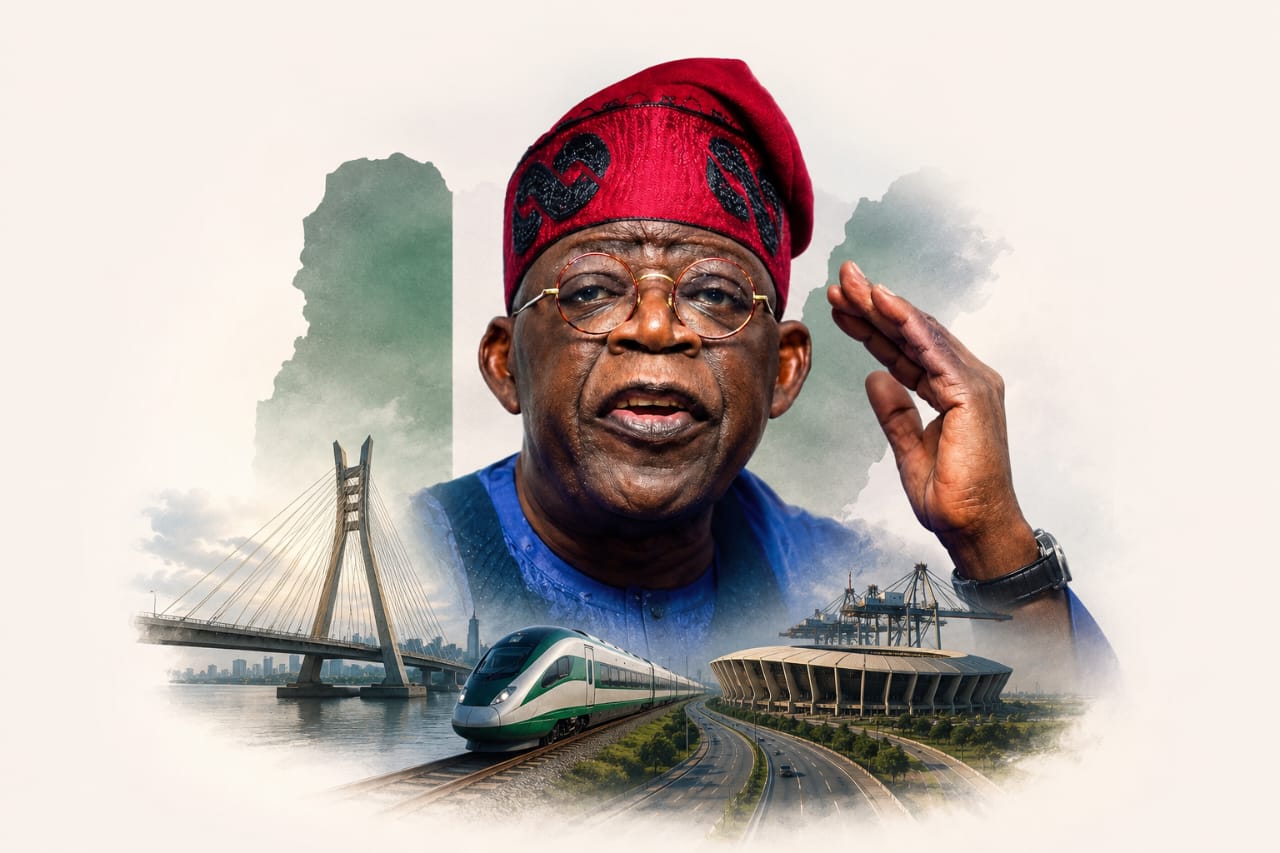
WHEN REFORMS MEET REALITY: THE TINUBU QUESTION
Read Time:3 Minute, 7 Second
Adebayo Ilupeju
More than three years into the administration of President Bola Ahmed Tinubu, Nigeria presents a fascinating contradiction. International financial institutions, economists, and development partners have largely applauded the government’s bold economic reforms. Yet across markets, motor parks, farms, and households, many Nigerians are asking a simple question: “If the economy is improving, why is life becoming harder?”
The Tinubu administration inherited an economy burdened by unsustainable fuel subsidies, multiple exchange rates, mounting debt obligations, dwindling investor confidence, and declining government revenues. In response, it embarked on some of the most ambitious economic reforms in Nigeria’s recent history. The removal of fuel subsidy and the unification of the foreign exchange market were particularly significant. Global economic bodies have since praised these measures for improving fiscal sustainability, strengthening investor confidence, and positioning Nigeria for long-term economic growth.
To the government’s credit, these were decisions previous administrations understood were necessary but lacked the political will to implement. The reforms have improved government finances, reduced market distortions, and restored a measure of credibility to Nigeria’s economic management on the global stage.
However, economics is not judged solely by spreadsheets and policy papers. For the average Nigerian, the true indicators of progress are affordable food, stable fuel prices, stronger purchasing power, and personal security. On these fronts, the verdict remains mixed at best.
The removal of fuel subsidy triggered sharp increases in transportation costs, which quickly filtered into food prices and the general cost of living. Inflation has eroded household incomes, leaving many families struggling to meet basic needs. While macroeconomic indicators may show signs of recovery, millions of Nigerians have yet to feel those gains in their daily lives.
Security presents an even more troubling challenge. Despite ongoing military operations and security interventions, banditry, kidnapping, terrorism, and communal violence continue to threaten lives and livelihoods across several parts of the country. Farmers are unable to access farmlands safely in some regions, contributing to food shortages and higher prices. Citizens naturally find it difficult to celebrate economic reforms when safety remains uncertain.
Yet, it would be unfair to dismiss the administration’s efforts entirely. Economic reforms often produce short-term pain before yielding long-term benefits. The challenge for the government is not merely implementing reforms but ensuring that citizens can see, feel, and understand the benefits.
This is where transparency becomes critical. Nigerians deserve regular and easily understandable reports detailing how savings from subsidy removal are being utilized. Citizens should be able to track the roads being built, the schools being renovated, the healthcare facilities being upgraded, and the social intervention programmes being funded with those resources. Transparency transforms sacrifice into trust.
Beyond transparency, government must intensify efforts to cushion economic hardship through targeted social protection programmes, agricultural support, job creation initiatives, and investments that directly reduce the cost of food production and distribution. Security reforms must also evolve beyond military responses to include intelligence gathering, community engagement, and stronger coordination among security agencies.
The future of these reforms will ultimately depend on whether they translate into tangible improvements in the lives of ordinary Nigerians. If inflation moderates, agricultural productivity increases, investments expand, and security improves, the administration may eventually be remembered as one that took difficult but necessary decisions to rescue the economy. If not, history may judge the reforms as technically sound but socially disconnected.
President Tinubu’s government deserves recognition for confronting economic challenges that many before it avoided. However, commendation alone cannot fill empty stomachs, restore lost purchasing power, or guarantee security. The next phase of governance must focus less on explaining reforms and more on delivering visible results. In the end, the success of any government is measured not by international applause but by the quality of life experienced by its people.


Happy
0 %

Sad
0 %

Excited
0 %

Sleepy
0 %

Angry
0 %

Surprise
0 %
 0
0
 0
0