

BENEATH THE OVERPASS: THE YOUTH WHO RESIDE IN OBALENDE
Read Time:2 Minute, 27 Second
BY OWOLABI OLUWADARA
Precisely at 9:47 PM, a delicate mist descends beneath the concrete expanse of Obalende Bridge. The vibrant sounds of Lagos nightlife reverberate in the background—danfos honking, hawkers shouting “Gala!”, and Fuji music emanating from a nearby stand. Yet, in a secluded alcove, a young child lays out a nylon mat on the cold pavement. Grasping a worn backpack and an empty water bottle, the child readies for the night, with a makeshift “home” mere steps from the torrent of vehicles.

This child is one of more than 30 young people who find nightly refuge beneath this well-known Lagos overpass a place largely ignored by commuters during the day and cautiously avoided at night. Like many others, the child arrived in Lagos from a conflict-ridden region, after a family tragedy. Promised safety and shelter, the reality instead became one of abandonment, and a daily struggle to survive.
“I sell pure water during the day,” the child shares in a hushed tone. “Sometimes I make a little money; other times, nothing at all.”

That story echoes throughout the bridge community. Another adolescent, also displaced from a violent or abusive environment, bears visible scars both physical and emotional from past trauma. “They said I was worthless, that school wasn’t for someone like me,” the teen says, eyes cast downward.
According to a 2024 report by UNICEF, over *10.5 million children in Nigeria are not enrolled in school*, and many live and work on the streets. Lagos, Nigeria’s commercial heartbeat, records the highest influx of these young wanderers many arriving daily with hopes that quickly fade in the city’s whirlwind.
Social workers argue these children are more than just victims of poverty they are casualties of a fragmented system. “There are scarcely any functional shelters for street children in Lagos,” says one advocate from a local non-governmental organization that provides food and literacy lessons under the bridge. “Most times, we just give them food, say a prayer, and leave. The need is overwhelming.”
A local child psychologist warns that prolonged exposure to such conditions results in stunted emotional development, increased vulnerability to crime and substance abuse, and long-term psychological harm.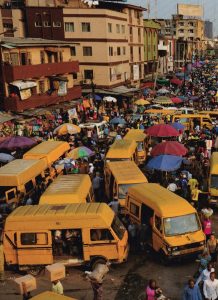
Still, amid the hardship, faint glimmers of hope remain. On weekends, volunteers from faith-based and community groups visit with meals and hygiene supplies. Some organizations have even launched mobile schools teaching basic literacy with little more than whiteboards and floor mats.
For many of these children, hope is simple.
“If I could just go to school and sleep on a real bed, I’d be happy,” one child says quietly. Then, once again, the child curls up on the pavement, their small frame swallowed by the night and the restless rhythm of a city that rarely looks back.They are not merely phantoms beneath overpasses. They are children with dreams, anxieties, and hearts still waiting to be seen


Happy
0 %

Sad
0 %

Excited
0 %

Sleepy
0 %

Angry
0 %

Surprise
0 %
 0
0
 0
0