
MIDDLE EAST WAR THREATENS TO DRIVE GLOBAL HUNGER TO RECORD HIGH, SAYS UN
Read Time:2 Minute, 18 Second
By: Fasasi Hammad
The United Nations warned Tuesday that an additional 45 million people could face acute hunger if the Middle East conflict continues past June, pushing global food insecurity to a “terrible” record high.
The war, now in its third week, is sending shockwaves through food and fuel markets, potentially pricing families out of essential staples far beyond the region, the UN’s World Food Programme (WFP) said.
“The humanitarian fallout from the Middle East conflict is becoming increasingly alarming,” said WFP Deputy Executive Director Carl Skau.
READ MORE…
EFCC CHEIF OLA OLUKOYEDE ADVISES STUDENTS TO SHUN INTERNET FRAUD, FOCUS ON TECH SKILLS
He told a Geneva press briefing, “Our projections indicate that if the conflict continues through June and oil prices stay above $100 a barrel, an additional 45 million people could be pushed into acute hunger due to rising costs.”
Skau added, “This would take global hunger to an unprecedented level — a truly terrible prospect — with nearly 320 million people already acutely food insecure.”
“The consequences are hitting the world’s most vulnerable populations, who are already struggling. They have no buffer to absorb further increases in living costs,” he said, calling on countries to provide more humanitarian resources.
The conflict began on February 28 when the United States and Israel launched strikes on Iran, prompting Tehran to retaliate against Israel and Gulf nations. Lebanon also became involved after Iran-backed Hezbollah attacked Israel.
WFP is currently supplying hot meals and bread to tens of thousands in Lebanon and is seeking $77 million to sustain operations there over the next three months.
Skau stressed that even before the war, WFP was facing a “perfect storm.” He noted, “Hunger has never been this severe,” with global acute food insecurity rising threefold in five years due to extreme weather, conflicts, and famine outbreaks.
Funding has also dropped, with WFP experiencing a 40% cut in resources last year. “We are basically stretched to the limit,” Skau said, adding that the Middle East crisis is making operations “much, much more expensive.” Fuel and shipping costs have surged, with shipping up 18% and trucks consuming pricier fuel.
The disruption of fertiliser exports via the Strait of Hormuz threatens the planting season in sub-Saharan Africa, posing major risks to countries like Somalia and Kenya. “Somalia is clearly heading toward famine after two consecutive droughts,” he said, noting WFP lacks sufficient funding to help roughly 700,000 people in the country.
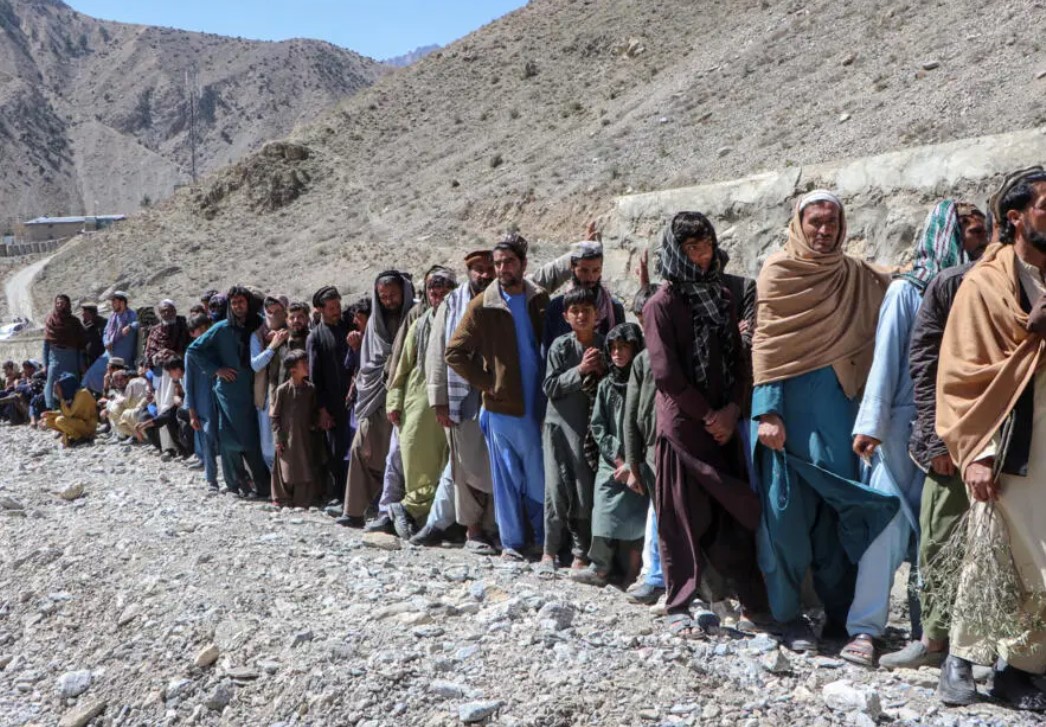
In Sudan, the agency has had to cut life-saving food rations, and in Afghanistan — now facing the world’s worst malnutrition crisis — WFP can support only one in four acutely malnourished children. Skau concluded, “People are dying in Afghanistan due to lack of assistance.”


Happy
0 %

Sad
0 %

Excited
0 %

Sleepy
0 %

Angry
0 %

Surprise
0 %
 0
0
 0
0