
US-IRAN WAR DRIVES SURGE IN PETROL PRICES AS TRUMP MOVES TO SUSPEND GAS TAX
Read Time:2 Minute, 34 Second
Agency Report

Americans are increasingly feeling the economic impact of the escalating conflict between the United States and Iran, as rising fuel prices and inflation deepen cost-of-living pressures across the country.
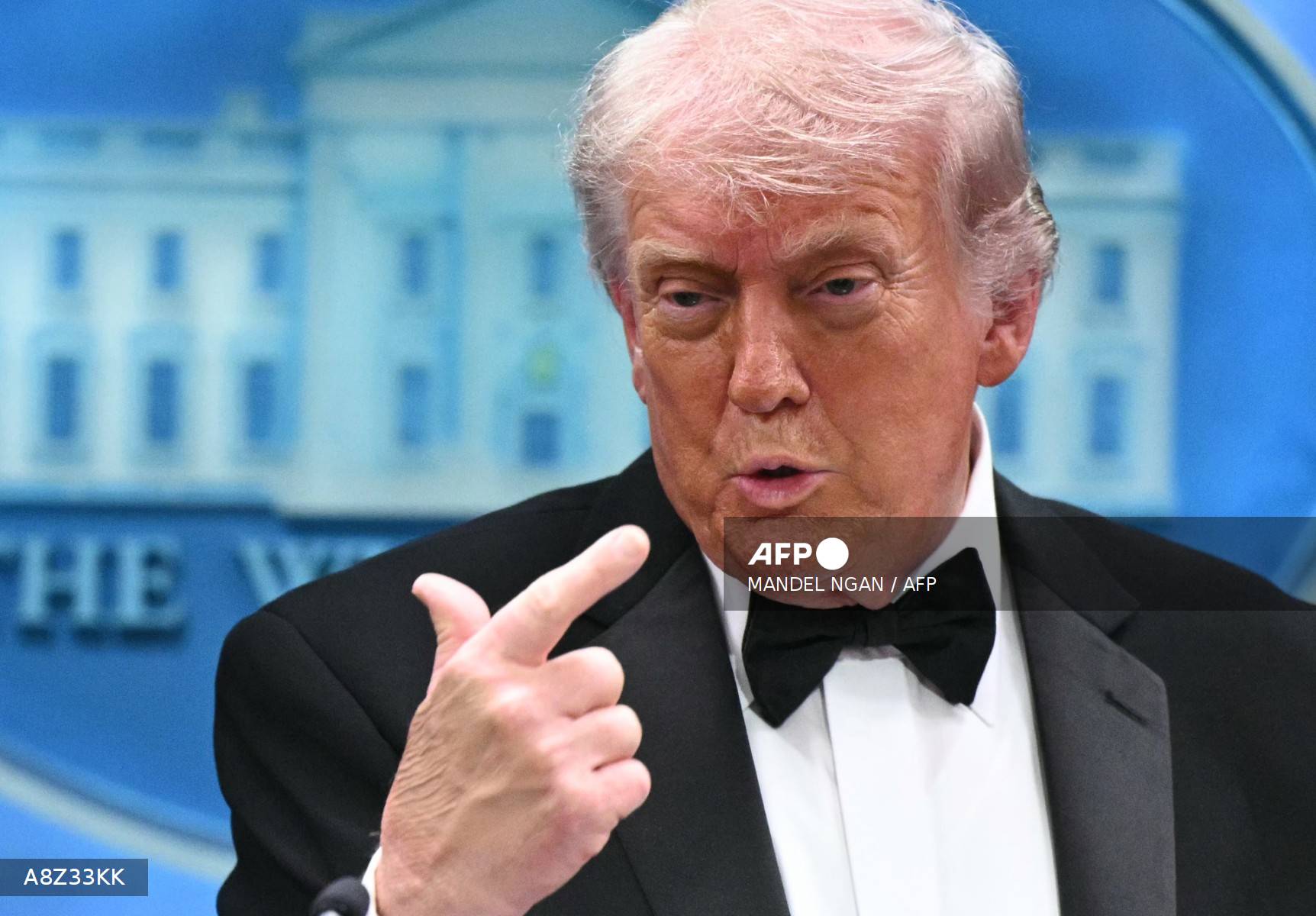
Amid growing concerns over the economic fallout of the war, US President Donald Trump announced plans to introduce legislation suspending federal gasoline and diesel taxes for 90 days in a bid to ease pressure on consumers.
According to Reuters, Trump said the proposal would suspend the federal gas tax and the 24.4-cent diesel tax temporarily as petrol prices continue to rise sharply.
“Yeah, I’m going to reduce,” Trump told reporters when asked about suspending the tax, adding that the measure would remain in place “till it’s appropriate.”
The development comes as oil prices surged to $107 per barrel following failed peace negotiations between Washington and Tehran on Monday.
The crisis has also disrupted global energy flows, with Iran effectively maintaining restrictions around the Strait of Hormuz — a critical shipping route through which roughly 20 per cent of the world’s oil supply normally passes.
According to the AAA motor club, average petrol prices in the US climbed to $4.52 per gallon on Monday, the highest level since 2022 when prices peaked at $5.01.
The economic strain is already feeding into inflation. The Financial Times reported that US inflation rose to 3.8 per cent in April, marking its highest level in three years and surpassing wage growth for the first time during the period.
The report noted that the sharp increase in fuel costs has begun spilling over into broader sectors of the economy, echoing the energy shock experienced during the Russia-Ukraine conflict in 2023.
Senate Majority Leader John Thune was reportedly cautious about supporting a gas tax holiday, arguing that reopening the Strait of Hormuz would be a more sustainable solution to lowering fuel prices.
Meanwhile, some Democrats, including Senator Mark Kelly, had earlier proposed suspending the gas tax until October, despite concerns that the levy funds critical road infrastructure projects worth billions of dollars annually.
The aviation sector has also come under pressure from surging fuel costs. Several low-cost airlines have reportedly requested federal financial support, while Spirit Airlines ceased operations earlier this month, citing unsustainable jet fuel prices.
Trump, however, suggested that airline bailout discussions had not advanced significantly, stating that “the airlines are not doing badly.”
The conflict has also intensified geopolitical tensions. Trump disclosed on Monday that a proposed ceasefire with Iran was “on life support” after rejecting Tehran’s latest response to a US peace initiative.
The Iranian proposal reportedly demanded compensation for war damages, the lifting of sanctions, safe passage through the Strait of Hormuz, and the release of frozen Iranian assets.
Iranian Foreign Ministry spokesman Esmaeil Baghaei defended the country’s demands, describing them as legitimate conditions for restoring regional stability and ending hostilities.
The war, now stretching into its 10th week, has already claimed thousands of lives and continues to disrupt global markets, energy supplies and diplomatic relations across the Middle East and beyond.


Happy
0 %

Sad
0 %

Excited
0 %

Sleepy
0 %

Angry
0 %

Surprise
0 %
 0
0
 0
0