
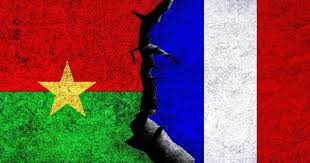
BURKINA FASO ENDS RELATIONS WITH FRANCE OVER SOVEREIGNTY CONCERNS
Read Time:1 Minute, 31 Second
By: Fasasi Hammad
Burkina Faso has announced the severance of diplomatic ties with France, citing a comprehensive review of relations between the two countries and accusing Paris of actions that undermine the West African nation’s sovereignty and interests.
The decision was disclosed on Friday by the country’s Communications Minister, Gilbert Ouedraogo, who said the government acted in defence of national sovereignty against what it described as persistent attempts at domination and external interference.
According to Ouedraogo, the foundations necessary for a healthy diplomatic relationship—including mutual respect, trust, non-interference in domestic affairs and respect for national sovereignty—are no longer in place.
READ MORE…
TINUBU SIGNS NEW NIMC ACT TO STRENGTHEN DIGITAL IDENTITY SYSTEM
The Burkinabè government accused France of pursuing policies contrary to its interests, alleging that Paris has provided support to networks and armed groups responsible for instability and violence in Burkina Faso and across the wider Sahel region.
Ouagadougou also criticised what it described as France’s “neo-colonial ambitions,” accusing the former colonial power of shaping negative international narratives aimed at isolating Burkina Faso on the global stage.
Despite the diplomatic break, the government stressed that the move applies only to official state-to-state relations and does not affect the longstanding historical, cultural, social and people-to-people ties between citizens of both countries.
Ouedraogo urged Burkinabè citizens to remain calm and respectful toward French nationals and other expatriates residing in the country, while continuing to observe national laws and regulations.
The government reiterated its commitment to an independent foreign policy based on balanced partnerships, while promoting peace, security and sustainable development.
It further stated that Burkina Faso remains willing to engage with all nations on the basis of mutual respect, reciprocity, sovereign equality and the protection of each country’s legitimate interests.


Happy
0 %

Sad
0 %

Excited
0 %

Sleepy
0 %

Angry
0 %

Surprise
0 %
 0
0
 0
0