
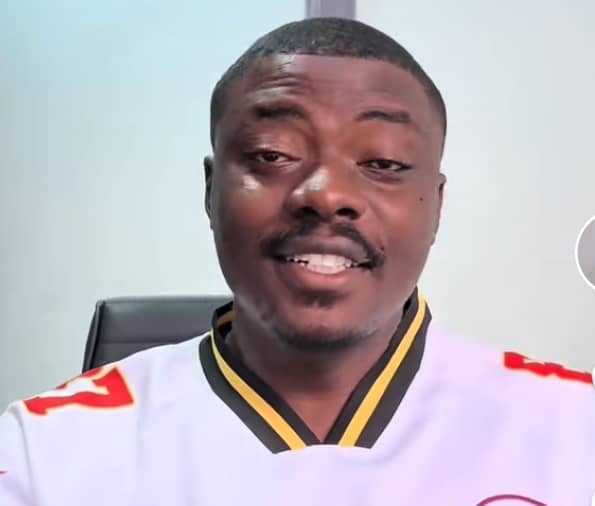
TIKTOK CREATOR SPENDS TWO DAYS IN POLICE CUSTODY OVER FALSE HIV CLAIM AGAINST DAYO AMUSA, GETS FORGIVENESS
Read Time:1 Minute, 51 Second
By Aishat Momoh. O.
TikTok content creator, Olaoluwa Segun, popularly known as unofficial_olas001, has described his two-day detention at the Yaba Panti Police Station in Lagos as the “worst experience” of his life, following a false claim that Nollywood actress Dayo Amusa was HIV positive.
Segun, who shared his ordeal in a video posted on Tuesday, said the traumatic experience came shortly after the death of his mother.
“I spent two days locked up in Yaba Panti. Aside from losing my mum, that was the worst experience of my life,” he recounted.
The arrest stemmed from a viral post in July, where Segun alleged that Amusa and four other actors were HIV positive. The actress promptly debunked the claim, clarifying that it recycled a 2019 post where she publicly confirmed her HIV-negative status to encourage testing.
Condemning the spread of falsehood, Amusa had vowed to make Segun “a scapegoat” but later announced on Monday that she had forgiven him. She explained her decision came after learning of his mother’s passing, meeting his relatives, and realising he is only 27 years old.
“I did promise to make him a scapegoat, which I did, but along the line I realised he just lost his mum. I got to realise he is just a 27-year-old boy. I also got to meet his relatives, including his uncle,” Amusa said in a video posted to Instagram.
Segun apologised in a separate clip, saying, “I want to apologise to her fans. I’m very sorry about that. Now we’re friends.”
In his account of detention, he described the food served as “horrible,” saying detainees survived largely on snacks and soft drinks, while newcomers were asked to contribute a voluntary ₦10,000 levy to help feed others without money.
“I want to thank Aunty Dayo Amusa for forgiving me. If not that she changed her mind and forgave me, I would have been there for a long time. I don’t pray to ever sleep in a cell again,” he added.
The incident has reignited conversations online about the dangers of spreading unverified claims on social media and the legal risks content creators face when engaging in defamation.


Happy
0 %

Sad
0 %

Excited
0 %

Sleepy
0 %

Angry
0 %

Surprise
0 %
 0
0
 0
0