
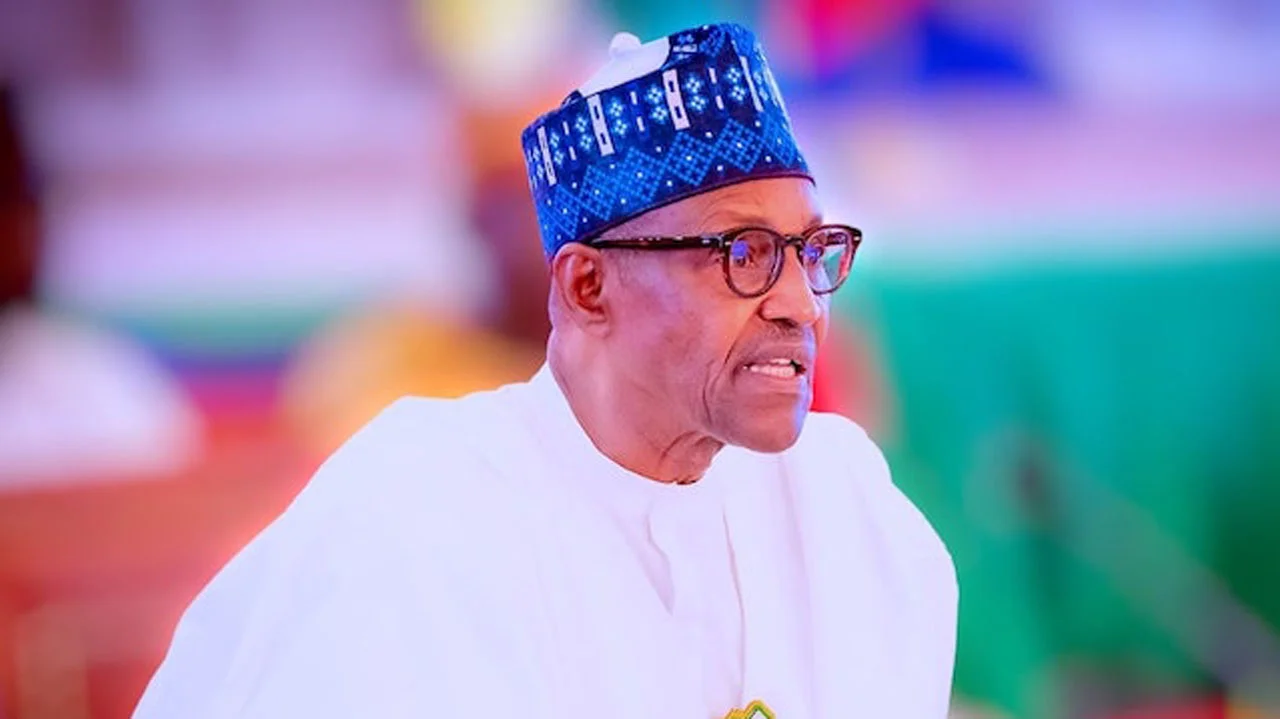
LIFE AND TIMES OF EX-PRESIDENT OF NIGERIA, MUHAMMADU BUHARI
Read Time:2 Minute, 9 Second
By Aishat Momoh. O.
Muhammadu Buhari was born on December 17, 1942, in Daura, Katsina State, into a Fulani family. The 23rd child of his father, he lost his father at a young age and was raised by his mother. He attended Katsina Provincial Secondary School (now Government College, Katsina) and later joined the Nigerian Military Training College in 1962. Buhari furthered his training at Mons Officer Cadet School in the United Kingdom and the United States Army War College.
Rising through the ranks during the post-independence military era, Buhari served in various capacities, including as Military Governor of the now-defunct North-Eastern State in 1975, and later as Federal Commissioner (Minister) for Petroleum and Natural Resources under General Olusegun Obasanjo’s regime.
On December 31, 1983, Buhari seized power through a military coup that ousted the democratically elected President Shehu Shagari, citing widespread corruption and economic mismanagement. His military government launched a crusade against indiscipline, encapsulated in the controversial “War Against Indiscipline” (WAI) programme. He introduced policies to curb corruption, promote national ethics, and instill social order.
However, Buhari’s regime was also widely criticized for human rights abuses, including the detention of politicians without trial, press censorship, and the infamous Decree No. 4, which criminalized reporting deemed embarrassing to the government. Despite his hard stance on corruption, the regime’s economic policies such as strict import controls triggered hardship and shortages. His administration was eventually overthrown in August 1985 by General Ibrahim Babangida.
Following his ouster, Buhari faded from public life for a time, reemerging in the late 1990s as a public advocate for discipline and accountability. He served briefly as Chairman of the Petroleum Trust Fund (PTF) under General Sani Abacha, overseeing projects funded from excess oil revenues.
Buhari entered democratic politics in 2003, contesting for president under the All Nigeria Peoples Party (ANPP) but losing to President Olusegun Obasanjo. He remained a perennial candidate, contesting again in 2007 and 2011, both times unsuccessfully, amid allegations of electoral malpractice. In 2013, Buhari co-founded the All Progressives Congress (APC), a coalition of opposition parties formed to challenge the dominance of the ruling Peoples Democratic Party (PDP).
After years of opposition activism and widespread dissatisfaction with President Goodluck Jonathan’s administration, Buhari won the 2015 election becoming the first Nigerian to defeat an incumbent president through the ballot box. He was re-elected in 2019.
Despite increased military spend and restructuring, insecurity remained one of the most pressing issues during his tenure as president.
Buhari was married to Aishat Buhari and together they have five children.


Happy
0 %

Sad
0 %

Excited
0 %

Sleepy
0 %

Angry
0 %

Surprise
0 %
 0
0
 0
0