

FUEL PRICE HIKE: ABUJA MOTORISTS PAY MORE AS PETROL RISES TO N1,300 PER LITRE
Read Time:2 Minute, 2 Second
Agency Report
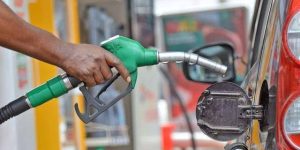
Many filling stations across the Federal Capital Territory have increased the pump price of Premium Motor Spirit, popularly known as petrol, amid a series of upward adjustments in the product’s ex-depot price.
The development comes despite a decline in international crude oil prices, which fell from about $92 per barrel to $87.31 per barrel.
Checks by the News Agency of Nigeria on Sunday showed that several filling stations in Abuja had adjusted their pump prices upward, leaving motorists to pay more for petrol.
At AY Shafa filling stations, the price increased from N1,250 to N1,270 per litre, while Optima retail outlets raised their price from N1,260 to N1,300 per litre.
The Nigerian National Petroleum Company Limited also adjusted its pump price from N1,250 to N1,270 per litre.
The latest increases followed a series of adjustments by the Dangote Refinery, which reportedly raised its gantry, or ex-depot, price from N1,165 per litre to N1,185, then N1,200 and subsequently N1,265 within one week.
The latest adjustment represents a N65 increase per litre from the previous gantry price of N1,200.
Brent crude was reported at $88.10 per barrel, representing a 0.47 per cent decline, while West Texas Intermediate fell by 0.16 per cent to $83.40 per barrel.
The latest petrol price increase has raised concerns over its potential impact on households and businesses, particularly as fuel costs continue to influence transportation, food prices and other essential services.
An economist, Samson Ogunjimi, described the situation as a growing financial burden on Nigerians, saying many households were struggling to cope with the ripple effects of rising fuel prices.
He called on the Federal Government to urgently intervene by stabilising petrol prices and reducing the economic pressure on citizens.
Meanwhile, the National Publicity Secretary of the Independent Petroleum Marketers Association of Nigeria, Chinedu Ukadike, said the upward review by marketers was largely driven by successive price adjustments by the Dangote Refinery.
According to him, marketers could not continue selling petrol below the cost of replacing their stock.
Ukadike said the frequent changes in petrol prices were creating uncertainty for both marketers and consumers, as the cost of replacing products could change significantly within a short period.
The development is expected to continue to attract attention as motorists and businesses grapple with the impact of rising fuel costs on transportation and operating expenses.
NAN


Happy
0 %

Sad
0 %

Excited
0 %

Sleepy
0 %

Angry
0 %

Surprise
0 %
 0
0
 0
0