
NCC AND IHS TAKE ACTION TO ADDRESS THE DIESEL BLOCKADE JEOPARDIZING TELECOMMUNICATIONS SERVICES
Read Time:2 Minute, 13 Second
BY OWOLABI OLUWADARA
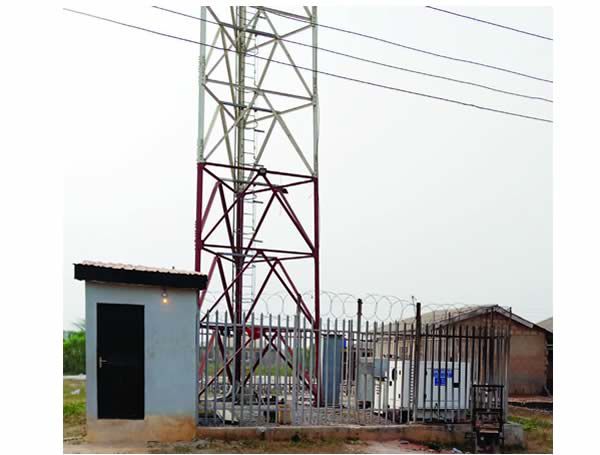
IHS Towers, the organization responsible for sustaining a significant portion of Nigeria’s mobile network operations, is collaborating with the nation’s telecommunications regulator and security authorities to address a diesel supply obstruction imposed by unions in the oil sector, which poses a risk of interrupting phone services for millions.
The infrastructure provider, which oversees over 16,000 base stations for Nigerian telecommunications companies, indicated that the matter is currently under judicial review and opted not to disclose additional information. The firm confirmed its stance to The PUNCH on Friday in reply to inquiries regarding the situation.
“In the interim, we have submitted formal notifications to the Nigeria Communications Commission and pertinent security agencies, and we are engaging with them to achieve a resolution of this ongoing issue,” IHS stated in a communiqué.
MTN, Airtel, Globacom, and 9mobile depend significantly on diesel-operated generators to maintain tower functionality due to the unreliability of mains electricity. An extended supply interruption poses a threat to voice and data services for millions of users within the nation’s $75 billion telecommunications market.
On Tuesday, representatives of the Nigerian Union of Petroleum and Natural Gas Workers and the Natural Oil and Gas Suppliers Association of Nigeria obstructed entry to essential diesel depots in Lagos, Kaduna, and Koko in Delta State. This obstruction ensued after accusations from IHS that two firms associated with NOGASA were engaged in diesel theft.
The Chairman of the Association of Licensed Telecommunications Operators of Nigeria, Engineer Gbenga Adebayo, on Thursday encouraged the unions to settle conflicts via legal and contractual means, cautioning that interruptions to telecommunications services could result in significant economic and security consequences.
“While ALTON does not interfere in disputes between its members and third parties, we are gravely concerned about the wider implications of this action on national infrastructure and public safety,” he noted in a statement
IHS reaffirmed its dedication to maintaining Nigeria’s essential information infrastructure operational and delivering robust network availability to our clients despite the ongoing conflict.
According to Nigerian legislation, telecommunications facilities are categorized as Critical National Information Infrastructure, indicating that intentional disruption could result in penalties.
Nigerian telecommunications companies utilize over 40 million liters of diesel monthly, with annual expenditures surpassing $350 million, based on industry statistics. Expenses are approximately 37 percent greater for rural and off-grid locations, where reliance on diesel is most pronounced.
To mitigate fuel expenses and decrease carbon emissions, operators, including Airtel and MTN, are implementing hybrid energy systems that integrate solar panels and lithium batteries. The NCC and GSMA project that a transition to renewable energy could reduce operating costs by 30 percent to 50 percent.


Happy
0 %

Sad
0 %

Excited
0 %

Sleepy
0 %

Angry
0 %

Surprise
0 %
 0
0
 0
0