
OVER 300,000 MAKOKO RESIDENTS DISPLACED BY ONGOING DEMOLITION
Read Time:2 Minute, 8 Second
By: Fasasi Hammad
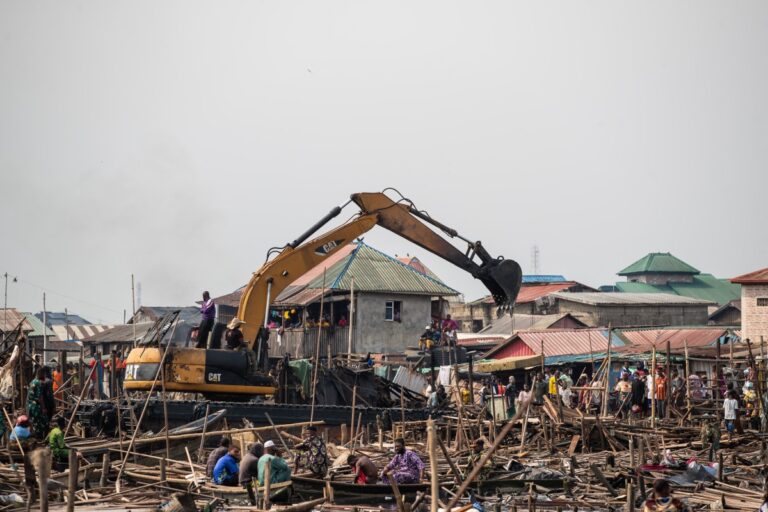
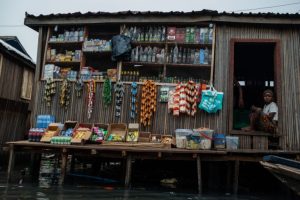
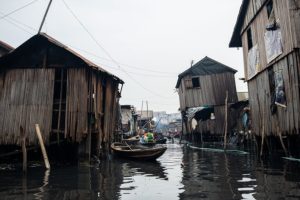
Armed police escorts and amphibious excavators have moved into Makoko in recent days, tearing through the wooden, stilted homes of Africa’s largest floating settlement in the heart of Lagos and flattening hundreds of structures built above the lagoon.
The exercise is the latest phase of a government-backed clearance aimed at removing what Lagos State authorities describe as illegal structures, though critics argue it is part of a broader push to reclaim prime waterfront land for real-estate development.
Human rights groups report that three people, including two infants, have died from the effects of teargas deployed by security operatives since the demolitions began just days before Christmas.
Residents insist the exercise was carried out without prior notice, a claim the state government has rejected. An NGO estimates that more than 30,000 people have been displaced so far, while Makoko’s total population is believed to range between 80,000 and over 300,000.
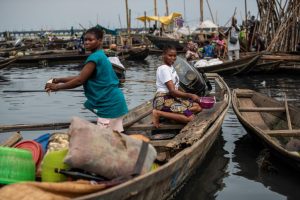
“They treated us as if we were less than human,” said Alex Wusa, a 25-year-old teacher whose home, shop and school were all demolished. Many families, including children, were forced to spend nights in canoes, exposed to heavy rainfall and harsh conditions.
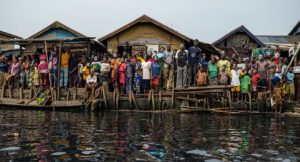
Makoko, which has existed for more than a century, is home to low-income earners who depend largely on fishing and informal trade. Its stilted houses over the polluted lagoon have long symbolised both the resilience and deep poverty of urban Lagos, as well as the recurring land disputes that often see poorer communities displaced.
State officials have defended the demolitions, citing safety and urban renewal concerns, particularly the removal of buildings located within 100 metres of high-tension power lines. Authorities maintain that residents were given notice, though a coalition of civil society groups disputes this, alleging that demolitions extended well beyond the designated zones.
The NGOs also accused the government of colluding with powerful land-owning interests and private developers, noting that land reclamation and high-end projects continue to expand along Lagos’s shoreline.
Residents, however, argue that the exercise amounts to land grabbing and question whether any redevelopment will benefit those displaced. Urban planning experts warn that Lagos’s housing crisis is worsening, as slum clearances push more people into homelessness while thousands of homes in affluent areas remain vacant due to prohibitive rents.
With nearly half of Lagos’s population estimated to live in informal settlements, experts have called for alternatives such as upgrading and integrating communities like Makoko, rather than demolishing them and displacing already vulnerable residents.


Happy
0 %

Sad
0 %

Excited
0 %

Sleepy
0 %

Angry
0 %

Surprise
0 %
 0
0
 0
0