
TUGGAR: NIGERIA’S SECURITY ISSUES OVERHYPED, INVESTORS SHOULD FOCUS ON OPPORTUNITIES
Read Time:1 Minute, 37 Second
By: Fasasi Hammad
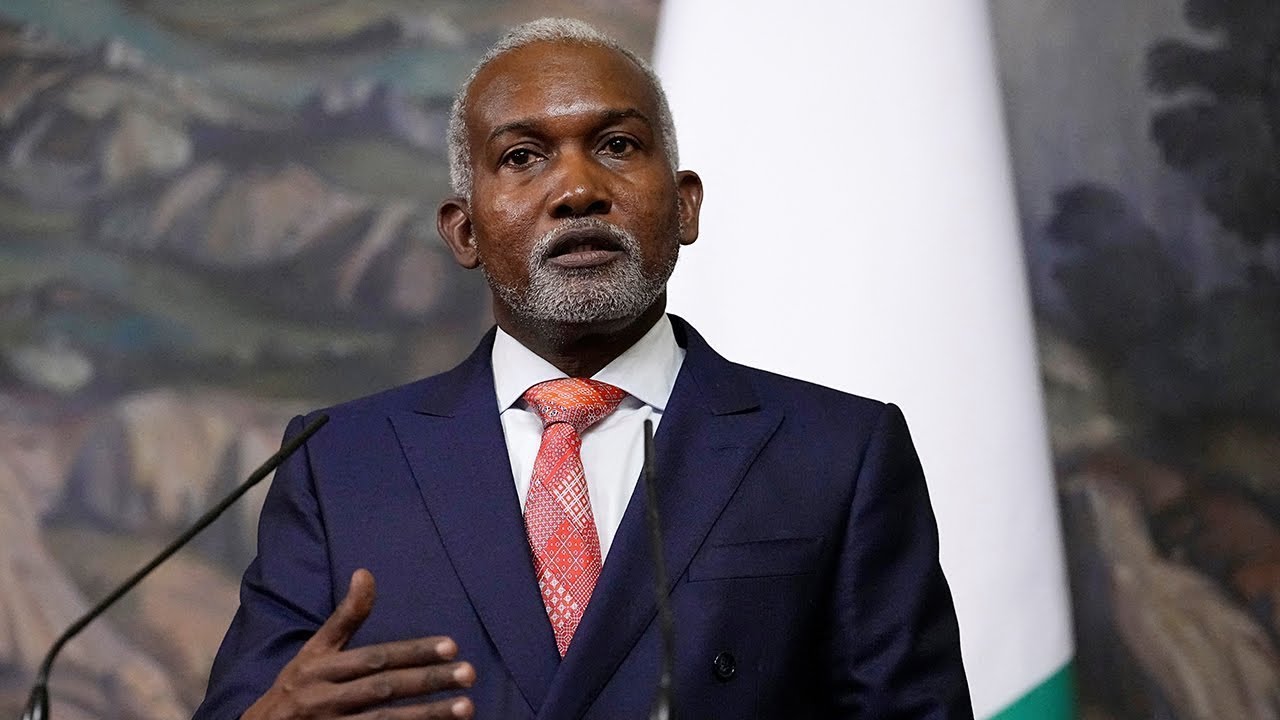
Yusuf Tuggar, Nigeria’s Minister of Foreign Affairs, has urged international investors not to allow security concerns to overshadow opportunities in the country’s evolving economic landscape.
Speaking with the media on Tuesday, Tuggar said Nigeria is often unfairly judged based on isolated security incidents. He explained that unrest in parts of the country is largely regional, linked to instability in the Sahel, and influenced by factors such as weapon proliferation, fighters, and climate change.
“It’s important to see the conflict for what it is—a regional issue that has spilled over into Nigeria. It is connected to events in the Sahel and Libya and involves multiple complex factors,” he said.
Tuggar highlighted ongoing collaboration with international partners, including the United States, to target bandits and terrorist groups operating in their strongholds.
He stressed that investors should assess Nigeria holistically. “The fact that there is an incident in a country of 923,000 square kilometres does not justify writing off the entire nation,” he said, adding that negative framing of Nigeria’s security situation could worsen insecurity by incentivizing attacks.
The minister also underscored macroeconomic and fiscal reforms under the Bola Tinubu administration aimed at boosting investor confidence, including foreign exchange adjustments, tax reforms, and reduced corporate income tax. He noted that Nigeria’s foreign reserves have risen to approximately $43 billion and access to foreign exchange has improved.
READ MORE…
UBA SANI: KADUNA, SECURITY AGENCIES WORKING TO FREE ABDUCTED WORSHIPPERS
On security, Tuggar said Nigeria has made significant gains against Boko Haram through regional cooperation, particularly via the Multinational Joint Task Force, though these efforts were disrupted after Niger Republic’s withdrawal following last year’s military coup.
He concluded by urging investors and the global community to focus on Nigeria’s progress rather than isolated incidents. “Let us view Nigeria holistically and not define the country by isolated events,” he said.


Happy
0 %

Sad
0 %

Excited
0 %

Sleepy
0 %

Angry
0 %

Surprise
0 %
 0
0
 0
0