
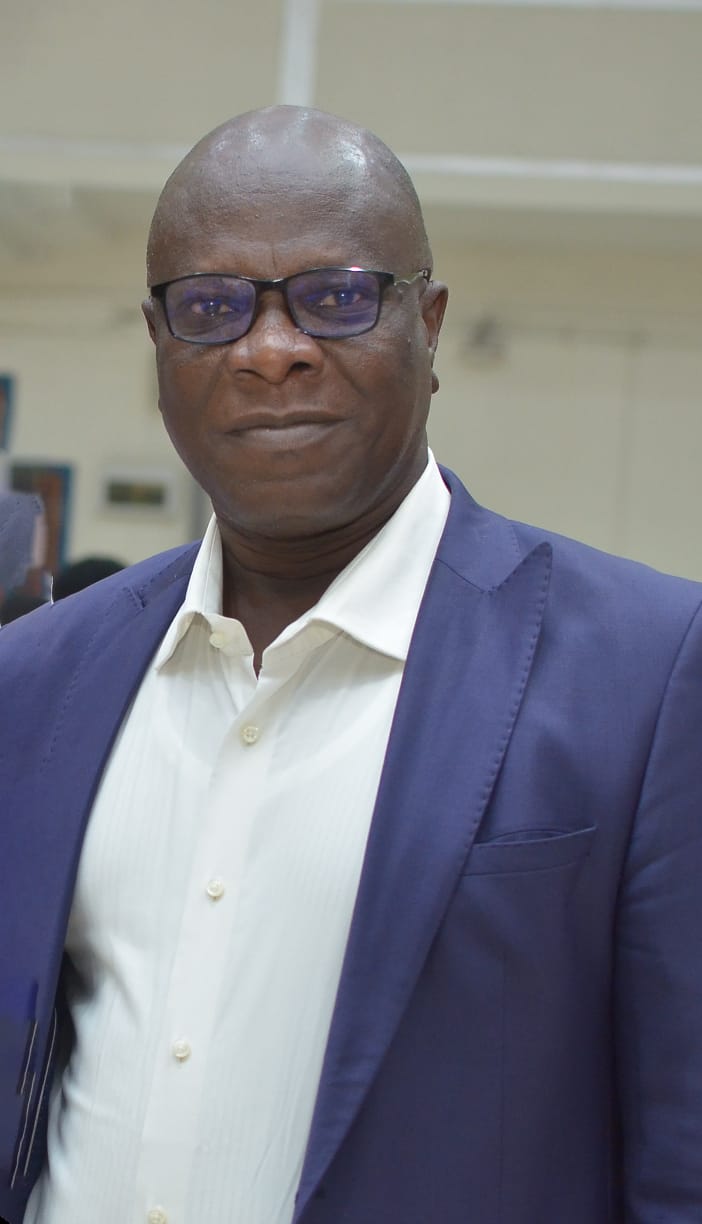
EFCC HALTS CONTRACTOR FROM INSTALLING FAKE TRANSMISSION LINES – OLUKOYEDE
Read Time:4 Minute, 6 Second

By:Tajudeen Aminat
The Ola Olukoyede, Chairman of the Economic and Financial Crimes Commission, has revealed that the agency intervened in 2024 to prevent a contractor hired by the Ministry of Power from carrying out a project using fake and substandard transmission materials.
Olukoyede made the disclosure while hosting the Managing Director and Chief Executive Officer of the Nigerian Electricity Management Services Agency, Olusegun Adesayo, during a courtesy visit to the EFCC headquarters in Abuja on Wednesday.
According to a statement released to the press by EFCC spokesperson Dele Oyewale on Thursday, the anti-graft agency investigated the contractor and discovered that he had imported substandard transmission lines that could have endangered lives and national infrastructure.
“In 2024, we wrote to the Ministry of Power to blacklist a contractor after confirming that he imported fake and substandard power transmission lines for a government project,” Olukoyede said.
The EFCC chairman did not disclose specifics of the contract, such as its location, cost, the awarding agency, or whether any ongoing investigations or prosecutions were in progress.
He, however, emphasised that the EFCC’s intervention prevented a potential disaster, averting possible loss of lives and damage to public assets, without providing further details.
Nigeria faces the world’s largest energy access deficit, according to the World Bank, which estimates that 43 per cent of the population—around 85 million people—lack access to grid electricity.
For those with connections, power supply remains highly unreliable. World Bank surveys indicate that more than 78 per cent of consumers receive less than 12 hours of electricity daily, reflecting persistent challenges in infrastructure, financing, and supply chains across the sector.
Government allocations for electrification projects and efforts to ease chronic electricity shortages are frequently undermined by corruption and fraud.
Currently, two former ministers, Olu Agunloye and Saleh Mamman, who oversaw the ministry at different times, are facing trial over alleged fraud and fund diversion.
Top officials of the Rural Electrification Agency are also on trial before the Federal High Court in Abuja for allegedly misappropriating billions of naira from the Government Integrated Financial Management Information System (GIFMIS), a digital platform designed to prevent theft of public funds.
Despite an installed generation capacity of over 13,000 MW, actual electricity production typically ranges between 4,000 and 5,500 MW due to gas shortages and operational inefficiencies, according to the World Bank and the Nigerian Electricity Regulatory Commission.
Additionally, some lawmakers have been implicated in scandals involving the diversion of funds allocated for electrification under constituency project schemes.
EFCC CALLS FOR STRONGER COLLABORATION IN POWER SECTOR
Ola Olukoyede stated that the commission is prepared to partner with the Nigerian Electricity Management Services Agency (NEMSA) to enhance electricity supply and enforce regulatory compliance across the sector.
“We believe that collaboration will ensure all stakeholders adhere to the rules governing the industry, ultimately improving power supply,” he said, emphasizing that the EFCC’s mandate extends to economic sabotage in addition to financial crimes.
Olukoyede also urged NEMSA to focus more on procurement and contract-related fraud, assuring that the EFCC possesses the expertise to support investigations in these areas.
NEMSA SEEKS EFCC SUPPORT ON ENFORCEMENT AND INTELLIGENCE
Olusegun Adesayo said the visit aimed to strengthen collaboration with the Economic and Financial Crimes Commission to enforce safety standards and enhance transparency in the electricity sector.
He explained that the Nigerian Electricity Management Services Agency is responsible for regulating technical standards to ensure the safety, reliability, and quality of electrical materials across the country.
Adesayo requested EFCC support in intelligence sharing, investigating substandard materials, monitoring procurement processes and contract abuses, and conducting public sensitisation campaigns.
“We recognise that effective regulation and anti-corruption enforcement are critical to protecting public infrastructure. We seek a coordinated effort to safeguard national assets,” he said, adding that the agency is also strengthening its internal controls.
NLC RAISES CONCERN OVER TCN SPENDING
Meanwhile, the Nigeria Labour Congress has criticised the Transmission Company of Nigeria’s proposed nearly N20 billion expenditure on emergency refurbishment projects.
In a letter signed by its president, Joe Ajaero, the union called for an immediate halt to the procurement process pending a forensic audit, alleging that the planned spending could encourage contract inflation and misappropriation of public funds under the guise of emergency interventions.
The NLC urged anti-corruption agencies, including the Economic and Financial Crimes Commission and the Independent Corrupt Practices Commission, to investigate procurement officials and closely scrutinise ongoing projects.
Linking Nigeria’s persistent power outages to corruption in the sector, Olukoyede highlighted the frequent use of substandard materials by contractors.
During a 2024 oversight visit by lawmakers, he explained that contractors often cut costs by substituting approved materials with inferior alternatives, causing repeated equipment failures and grid instability.
“If you review some of the investigations we are conducting in the power sector, you will be shocked,” he said, citing instances where contractors supplied materials below the required standards.


Happy
0 %

Sad
0 %

Excited
0 %

Sleepy
0 %

Angry
0 %

Surprise
0 %
 0
0
 0
0