
EXPERTS SAY THOUSANDS OF NIGERIAN CHILDREN ARE STILL LIVING WITH UNDIAGNOSED HIV
Read Time:2 Minute, 24 Second
By; Ganiyat Sunmola
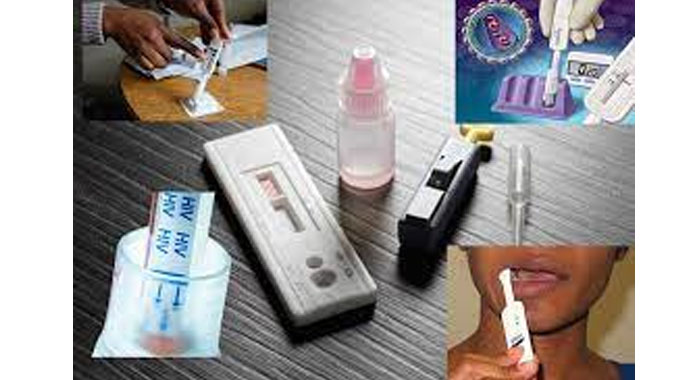
Thousands of Nigerian Children Still Missing HIV Diagnosis, Experts Warn
Health professionals and development partners have expressed concern that many children in Nigeria remain undiagnosed and untreated for HIV despite ongoing interventions to reduce infections.
The concerns were raised on Wednesday during the 2026 Paediatric Breakthrough Partnership Linking and Learning Meeting held in Abuja.
Organised by the Society for Family Health in partnership with the Elizabeth Glaser Pediatric AIDS Foundation, the meeting focused on improving healthcare outcomes for children living with HIV.
Representing the organisation’s Chief Executive Officer, Yusuf Dayyabu said many children continue to miss early diagnosis and treatment opportunities.
According to data presented at the meeting, more than 285,000 children, adolescents, pregnant women, and breastfeeding mothers have accessed HIV-related services since 2023, while 2,879 people were identified and enrolled for treatment.
Despite these efforts, Nigeria continues to carry one of the world’s highest burdens of paediatric HIV, with an estimated 260,000 children aged 0–14 living with the virus. Only about 45 per cent of HIV-positive children are receiving antiretroviral therapy, compared to higher treatment coverage among adults.
The National Coordinator of the National AIDS, Viral Hepatitis and STIs Control Programme, Dr. Adebobola Bashorun, described paediatric HIV as both a public health challenge and a moral issue.
Represented by Iyaniwura Ozimede, Bashorun acknowledged progress in preventing mother-to-child transmission but stressed that significant gaps remain, particularly in underserved communities.
She warned that many HIV-positive pregnant women are still not being reached, while numerous exposed infants are lost to follow-up, leaving thousands of children undiagnosed within communities.
Also speaking at the event, the Country Lead of the Paediatric Breakthrough Partnership, Aisha Dadi, said the programme was designed to bridge gaps in HIV diagnosis and treatment through coordinated interventions.
She explained that identifying children living with HIV remains difficult because they depend entirely on adults for access to healthcare, causing many to slip through gaps in the health system.
According to Dadi, targeted efforts such as collaboration with traditional birth attendants and community-based actors have helped improve treatment coverage to between 60 and 65 per cent in some communities.
Stakeholders also raised concerns about the sustainability of HIV programmes, warning that heavy dependence on donor support could pose challenges without stronger domestic funding.
Representatives at the meeting stressed the need for increased government ownership and local investment to sustain progress in HIV response efforts.
They called for practical measures to strengthen early diagnosis and treatment access, with the goal of ensuring that no child living with HIV is overlooked.
Nigeria continues to report high numbers of new HIV infections among children each year, largely due to gaps in prevention of mother-to-child transmission services. Globally, the country remains among those with the highest burden of paediatric HIV infections, underscoring the need for targeted interventions.


Happy
0 %

Sad
0 %

Excited
0 %

Sleepy
0 %

Angry
0 %

Surprise
0 %
 0
0
 0
0