
NIGERIA, UK SIGN MoUs ON MIGRATION, BORDER SECURITY, EXPANDED BUSINESS VISAS (PHOTOS)
Read Time:2 Minute, 12 Second
By ‘Sefiu Ajape
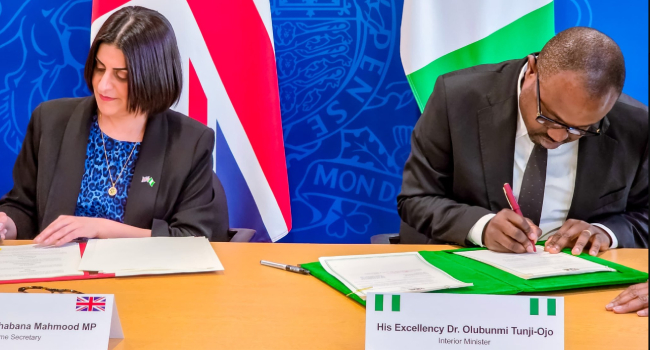
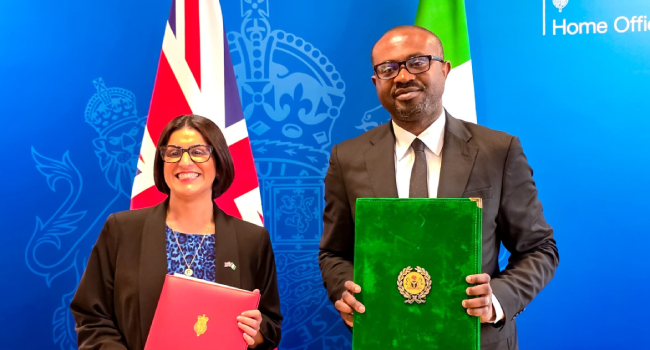
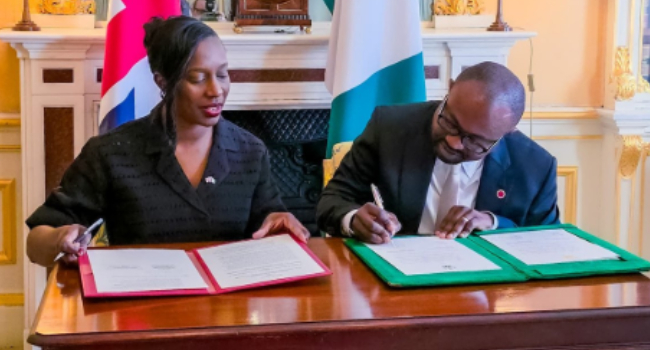
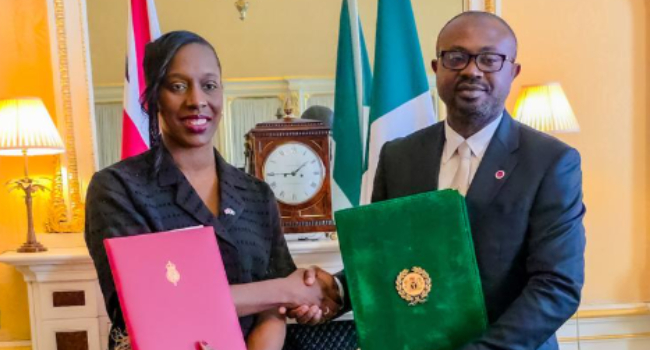
Nigeria and the United Kingdom have signed three key Memoranda of Understanding (MoUs) focused on migration partnership, tackling organised immigration crime, strengthening border security, and expanding business visa access for UK firms operating in Nigeria.
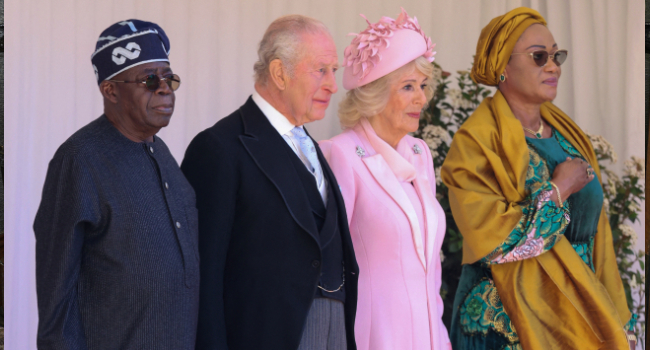
The development was disclosed in a statement shared by the Ministry of Interior on its X handle on Thursday, as part of engagements during President Bola Ahmed Tinubu’s ongoing state visit to the UK.
READ MORE:
https://hotjist.com/2026/03/19/ndume-claims-terrorists-used-tricycles-to-deliver-bombs-in-borno-attacks/
Minister of Interior, Olubunmi Tunji-Ojo, said the agreements “reflect Nigeria’s push for a transparent, rules-based migration system that is safe, orderly, and mutually beneficial,” noting that they would also address “abuse of legal pathways” while enhancing border management.
He added that the MoUs are expected to boost trade and ease business mobility, aligning with the Federal Government’s wider economic goals.
According to him, the arrangements support Nigeria’s drive toward a trillion-dollar economy under President Bola Tinubu, removing barriers linked to irregular migration.
The statement disclosed that the agreements were signed with the UK Home Secretary Shabana Mahmood and UK Trade Envoy Florence Eshalomi.
The agreements mark a significant step in Nigeria–UK relations, reinforcing cooperation on migration governance, security, and economic development.
The signing of the Nigeria–UK migration and visa agreements comes amid a broader wave of bilateral engagements during President Bola Tinubu’s ongoing two-day visit to the United Kingdom.
One of the highlights of the visit is the £746 million financing deal to modernise Lagos ports.
The Lagos Port Complex in Apapa and the Tin Can Island Port are central to Nigeria’s maritime economy, serving as key gateways for imports and exports.
The ports handle a substantial portion of the country’s cargo traffic and are vital to customs operations, revenue generation, and overall economic activity.


Happy
0 %

Sad
0 %

Excited
0 %

Sleepy
0 %

Angry
0 %

Surprise
0 %
 0
0
 0
0