
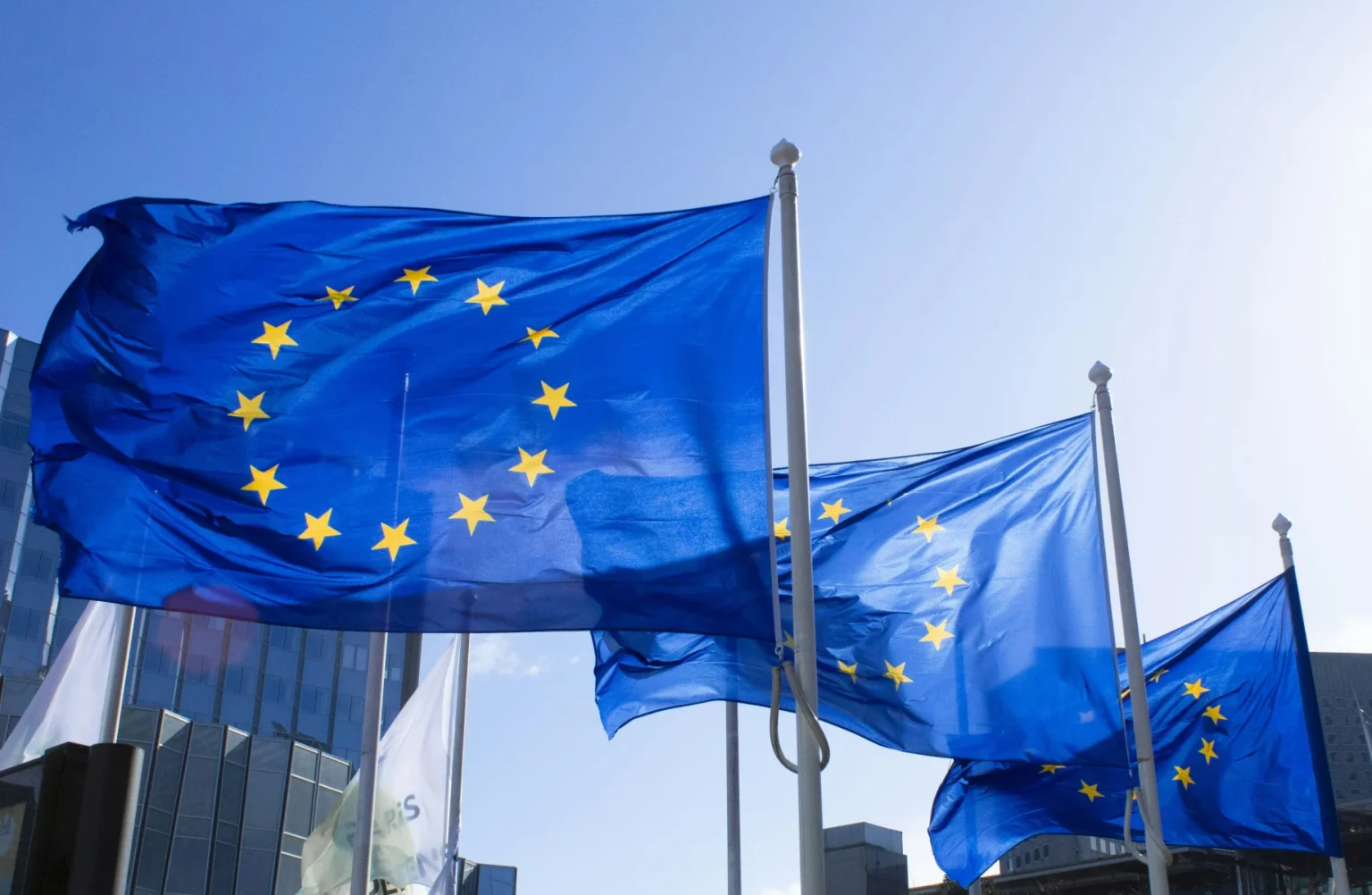
EU SEEKS INCREASED INVESTMENT IN NIGERIA, SUPPORTS EXPANSION OF REGIONAL TRADE
Read Time:3 Minute, 11 Second
By: Muftau Fatimo
The European Union has reiterated its commitment to increasing investments in Nigeria and advancing regional trade, describing the country as a key economic gateway with access to over 400 million consumers across West Africa.
The pledge was made during the 10th Nigeria–European Union Business Forum held in Lagos, where government officials from Europe and Nigeria, alongside business leaders, investors and development partners, convened to identify fresh opportunities for trade, investment and sustainable economic development, according to a statement issued on Saturday by the EU Delegation to Nigeria and ECOWAS.
In a video message to participants, the High Representative of the European Union for Foreign Affairs and Security Policy and Vice-President of the European Commission, Kaja Kallas, said Nigeria remained one of the bloc’s most important partners in Africa and a priority destination for European investors.
“The choice to come to Nigeria was no coincidence. Nigeria is an economic powerhouse on the African continent and an important partner for the European Union today,” she said.
Kallas encouraged European businesses to take advantage of investment opportunities in Nigeria, describing the country as “an excellent destination for your investment.”
She noted that the speed with which the business forum was organised following her recent visit to Nigeria reflected the determination of both European and Nigerian stakeholders to deepen commercial ties and unlock new investment opportunities.
Also speaking, the Director of Trade at the Economic Community of West African States Commission, Kolawole Sofola, who represented the President of the Commission, Dr Omar Touray, said regional integration had created enormous opportunities for businesses seeking to expand beyond Nigeria.
According to him, the Economic Community of West African States Trade Liberalisation Scheme and the African Continental Free Trade Area provide investors with a legal and institutional framework to access a regional market of more than 400 million people and a continental market exceeding 1.4 billion consumers.
I invite investors to regard Lagos not only as a destination but as a platform to a wider regional and continental market,” Sofola said.
He identified agro-processing, manufacturing, renewable energy, infrastructure and the digital economy as key sectors with strong investment potential, urging businesses to leverage Nigeria’s strategic position to serve regional and continental markets.
Sofola also applauded the European Union’s continued support for regional infrastructure projects, particularly the Abidjan-Lagos Corridor under the Global Gateway strategy, saying the initiative would improve transport connectivity, facilitate trade and strengthen economic integration across West Africa.
The forum, themed “Enhancing Sustainable Investment Together,” brought together policymakers, financial institutions, development partners and private-sector leaders from Nigeria and Europe to discuss ways to strengthen commercial partnerships and promote private-sector-led growth.
Participants emphasised the need for improved infrastructure, policy certainty, easier cross-border trade and increased investment in productive sectors to unlock the full benefits of regional economic integration.
The Nigeria-European Union Business Forum is the European Union’s flagship annual platform for promoting trade and investment relations with Nigeria. The forum serves as a meeting point for governments, investors and businesses to identify investment opportunities, address barriers to trade and strengthen economic cooperation.
The event comes at a time when Nigeria is intensifying efforts to attract greater foreign direct investment to drive economic diversification, industrial growth and employment generation. It also coincides with the implementation of the African Continental Free Trade Area, designed to establish the world’s largest free trade zone by integrating African economies into a single market, while the ECOWAS Trade Liberalisation Scheme continues to promote the seamless movement of goods and services across West Africa.
The European Union remains among Nigeria’s leading trading partners and continues to play a significant role as a source of investment, development funding and technical assistance in areas such as infrastructure, digital transformation and sustainable development.


Happy
0 %

Sad
0 %

Excited
0 %

Sleepy
0 %

Angry
0 %

Surprise
0 %
 0
0
 0
0