
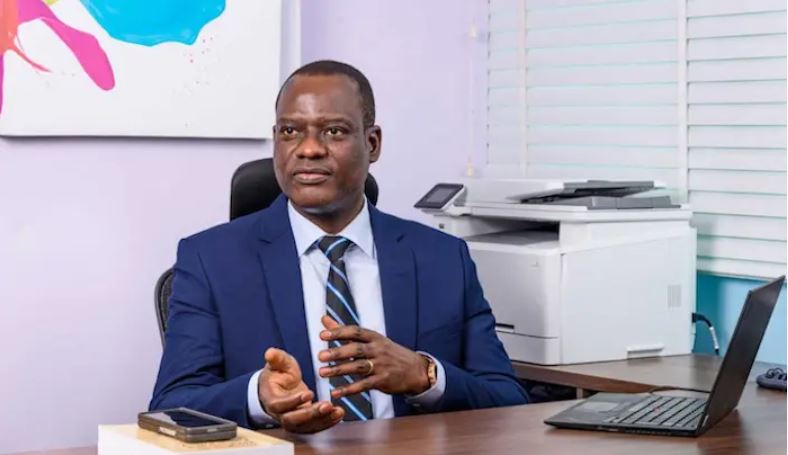
I RECEIVE THREATS OVER TAX REFORM LAWS — TAIWO OYEDELE
Read Time:2 Minute, 35 Second
By: Balogun Ibrahim
Mr. Taiwo Oyedele, Chairman of the Presidential Committee on Fiscal Policy and Tax Reforms, has disclosed that his role in implementing Nigeria’s wide-ranging tax reforms has exposed him to serious threats to his personal safety.
He made the revelation on Tuesday in Abuja during a governance colloquium held to mark the 50th birthday of Hajiya Hadiza Bala Usman, the President’s Special Adviser on Policy and Coordination.
Speaking at the event, Oyedele highlighted the complexities and risks involved in reforming entrenched systems, particularly those that challenge powerful interests.
Mr. Taiwo Oyedele, Chairman of the Presidential Committee on Fiscal Policy and Tax Reforms, has said that implementing Nigeria’s tax reforms requires courage, noting that he has received threats simply for trying to fix a broken system.
“Reforms are hard, and tax reforms are even harder. You need courage. I receive threats simply for trying to fix a broken system,” he said.
Oyedele highlighted the deep-rooted challenges facing the reform agenda, including low public trust in government, weak tax compliance, and limited understanding among citizens about how their taxes relate to public services. He stressed that Nigeria’s tax revenue remains far below that of comparable countries, making reform not just necessary but unavoidable.
He called on Nigerians who support the reforms to speak up, warning that silence allows opponents to dominate public discourse.
The Federal Government began implementing new tax laws on January 1, 2026. The reforms are anchored on four key legislations: the Nigeria Tax Act 2025, the Nigeria Tax Administration Act 2025, the Nigeria Revenue Service Establishment Act 2025, and the Joint Revenue Board Establishment Act 2025.
Oyedele pointed out that trust remains one of the most critical barriers to progress. “The trust in government and within government is very low,” he said, noting that many Nigerians are unaware of their tax responsibilities due to a weak tax culture.
He also flagged a major communication gap, explaining that many citizens mistakenly believe the reforms introduce new taxes rather than streamline existing ones. “Suddenly, there is a national awareness, and they just say, the people have come with taxes all over the place, when actually, what the government is doing is to reduce those taxes they have been paying, and harmonise them,” he said.
Emphasizing the courage and political will needed to push through the reforms, Oyedele said, “You need that courage to push through, you need the courage to take risks, because it’s very risky,” referring to the political, economic, and reputational dangers involved.
Despite threats and online attacks, he defended the current approach, noting, “What we have been doing all along, all my adult life with the tax system, was pain reliever. It hasn’t taken us far. It can’t take us far. Now we’re doing the surgery. It’s going to come with some pain, but that’s the only right thing to do.”
Oyedele expressed confidence in Nigeria’s future, describing the reforms as the most significant progress he has witnessed and calling for sustained commitment to achieve long-term results.


Happy
0 %

Sad
0 %

Excited
0 %

Sleepy
0 %

Angry
0 %

Surprise
0 %
 0
0
 0
0