
VENEZUELA RETAINS OIL OWNERSHIP UNDER NEW US DEAL – RODRIGUEZ SAYS
Read Time:2 Minute, 47 Second
Agency Report
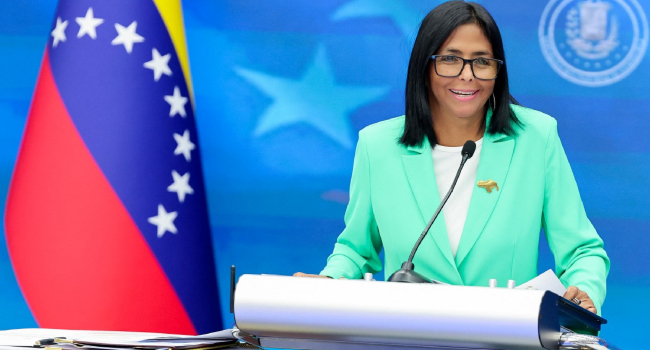
Venezuela retains ownership and sovereignty over its oil resources despite a new agreement granting the United States significant access to the country’s vast reserves, interim leader Delcy Rodriguez has said.
Rodriguez made the statement on Saturday as she sought to reassure Venezuelans over the terms of the agreement, which US President Donald Trump described as “the biggest oil deal in world history.”
Under the deal, the United States is expected to gain majority control of projects involving Venezuela’s 65 billion barrels of proven oil reserves, while Caracas says the agreement will attract about $100 billion in private investment to revitalise the country’s struggling petroleum industry.
“One thing must be absolutely clear: Venezuela retains ownership and sovereignty over its resources,” Rodriguez said in a televised address.
She said the agreement would transform Venezuela’s “cold, inert” underground resources into a source of economic and social prosperity for its people.
Despite the government’s assurances, the deal has generated concerns among Venezuelans over its lack of transparency, with some questioning who would ultimately benefit from the arrangement and whether the country could lose control of its strategic resources.
The development comes amid significant political and economic pressure on Caracas following the Trump administration’s removal and capture of former President Nicolas Maduro in January.
The ruling party on Saturday expressed support for economic measures that prioritise Venezuela’s national interests and help the country recover from years of US sanctions and economic restrictions.
Rodriguez has introduced reforms in the mining and petroleum sectors, opening industries previously dominated by the state to private capital and foreign investment.
The United States has also eased sanctions imposed on Venezuela’s oil sector under the Maduro administration.
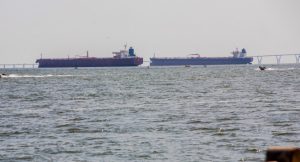
Venezuela’s oil production increased by 29.8 per cent between January and July to about 1.2 million barrels per day, although output remains significantly below the three million barrels per day produced about 25 years ago.
The new agreement seeks to restore production towards those levels, but analysts say the process will take several years.
Engineer Oswaldo Felizzola, a professor at the Institute of Higher Studies in Administration in Caracas, said a substantial increase in production was unlikely to be seen for at least three or four years.
He welcomed the United States’ role as a potential guarantor for investments, arguing that Venezuela had struggled to attract significant capital for more than a decade.
According to Felizzola, state-owned Petroleos de Venezuela lacks the financial capacity to develop the country’s oil fields on its own.
The proposed investment comes as Venezuela continues to recover from a severe economic contraction that saw its economy shrink by about 80 per cent between 2014 and 2021, pushing millions of people into poverty.
Rodriguez has projected that the agreement could generate more than $204 billion in tax revenue for Venezuela, although she has not provided details on how the figure was calculated.
While some Venezuelans remain sceptical, analysts and former energy officials have described the deal as a potential opportunity to revive the country’s oil industry.
Elias Ferrer, an analyst with the Orinoco think tank, said increased investment would be preferable to leaving Venezuela’s oil resources undeveloped.
Dolores Dobarro, Venezuela’s former deputy minister of energy, also described the agreement as a major opportunity, provided it is implemented transparently and effectively.


Happy
0 %

Sad
0 %

Excited
0 %

Sleepy
0 %

Angry
0 %

Surprise
0 %
 0
0
 0
0