
EU DIRECTS GOOGLE TO OPEN ANDROID PLATFORM TO COMPETING AI SERVICES
Read Time:1 Minute, 49 Second
By; Sunmola Ganiyat
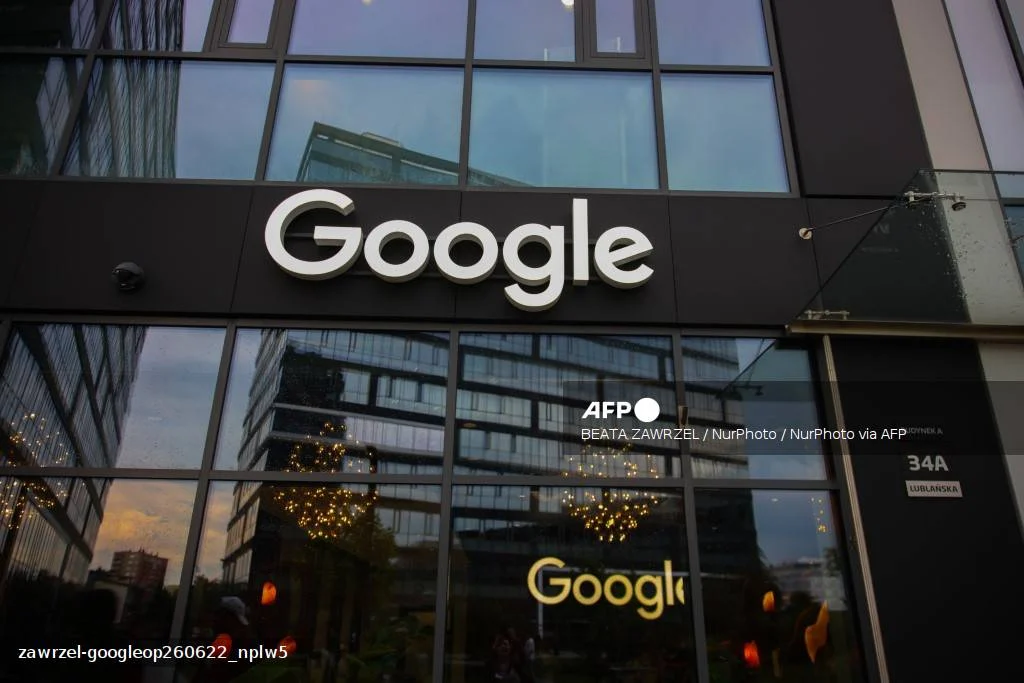
The European Union has ordered Google to share certain search data with rival search engines and open its Android operating system to competing artificial intelligence services, as part of efforts to promote fair competition in the technology sector.
The directive, announced on Thursday, was issued under the EU’s Digital Markets Act (DMA), legislation designed to curb the dominance of major technology companies and give consumers greater choice.
Under the new requirements, Google must begin sharing search data with competitors from January 2027, while Android users across the European Union are expected to benefit from broader access to alternative AI services from July 2027.
EU Executive Vice-President for Tech Sovereignty, Security and Democracy, Henna Virkkunen, said the measures are intended to encourage competition by creating opportunities for alternatives to Google Search and Google’s AI platform, Gemini.
According to the EU, Android users should be able to choose and activate their preferred AI assistants through voice commands instead of being limited to Google’s default services.
Google, however, criticised the decision, warning that the measures could compromise user privacy, device security, and national security.
The company’s President of Global Affairs, Kent Walker, argued that requiring Google to share search data could expose users’ private searches to third-party companies without adequate safeguards.
Walker also maintained that competing AI assistants already have access to Android, questioning the necessity of the new requirements.
European officials rejected Google’s concerns, insisting that strict privacy protections and data anonymisation measures would be implemented to safeguard users’ information.
Although the order is legally binding, it is part of an ongoing compliance process rather than a formal antitrust investigation that could immediately result in financial penalties.
Meanwhile, reports indicate that Google could face additional sanctions next week in a separate investigation under the Digital Markets Act.
The EU has the authority to impose fines of up to 10 per cent of a company’s global annual turnover for violations of the legislation.
Google has previously faced several major penalties from the European Commission, including more than €8.2 billion in competition-related fines between 2017 and 2019, as well as a €2.95 billion antitrust fine imposed last year.


Happy
0
0 %

Sad
0
0 %

Excited
0
0 %

Sleepy
0
0 %

Angry
0
0 %

Surprise
0
0 %
 0
0
 0
0
More Stories
MY LIFE IS IN DANGER OVER AMICHI DEVELOPMENT PROJECTS — EX-COMMUNITY LEADER
By: Fasasi Hammad Former President-General of Amichi Community in Nnewi South Local Government Area of Anambra State, Chief Cletus Udebuani,...
#ENDBADGOVERNANCE: LAVROV DENIES RUSSIA BACKED NIGERIAN PROTESTERS
Agency Report Russian Foreign Minister Sergey Lavrov has denied allegations that Moscow sponsored Nigerian youths who waved Russian flags during...
OYO 2027: MAKINDE ACCUSES ALLI OF SPREADING MISLEADING CLAIMS
By: Fasasi Hammad Oyo State Governor Seyi Makinde has accused the All Progressives Congress (APC) governorship candidate for the 2027...
POLICE ARREST MAN OVER VIRAL VIDEO ALLEGEDLY INCITING KILLING OF CHRISTIANS
By: Fasasi Hammad The Zamfara State Police Command has arrested a 22-year-old man, Umar Ibrahim Gandi Maradun, over a viral...
STAN WAWRINKA RETIRES AFTER 24-YEAR TENNIS CAREER
By: Fasasi Hammad Tennis great Stan Wawrinka has brought his illustrious 24-year professional career to an end after suffering a...
COURT SACKS OMOSIGHO, DECLARES EFOSA NDC CANDIDATE FOR OREDO
By: Fasasi Hammad A Federal High Court sitting in Benin City, Edo State, has removed Hon. Uyi Frank Omosigho as...