
LASSA FEVER FATALITY RATE RISES TO 18.9% AS NCDC STRENGTHENS RESPONSE
Read Time:2 Minute, 1 Second
By Aishat Momoh. Oshiomare
The Nigeria Centre for Disease Control and Prevention (NCDC) has reported a troubling increase in the case fatality rate of Lassa fever, which has risen to 18.9% as of epidemiological week 23 in 2025—surpassing the 17.8% recorded during the same period in 2024. A total of 143 deaths have been confirmed across 18 states and 96 Local Government Areas.
Despite a decline in overall suspected and confirmed cases compared to the previous year, the spread of the virus remains active, particularly in states like Ondo, Bauchi, Edo, Taraba, and Ebonyi, which account for 90% of all infections. New cases reported in the latest week came from Ondo, Edo, Bauchi, and Taraba, bringing the number of confirmed infections to 11, up from eight the previous week.
The most affected age group falls between 21 and 30 years, with a slightly higher infection rate among males. Worryingly, healthcare workers continue to be impacted, with a fresh case reported among frontline responders. In light of the ongoing threat, the NCDC has activated its Incident Management System to coordinate a comprehensive national response.
The agency, working with partners such as the World Health Organisation, Breakthrough Action Nigeria, and the Global Fund, has ramped up sensitisation campaigns, risk assessments, and community engagement initiatives. These efforts are also supported by the launch of an infection prevention and control e-learning platform and the deployment of rapid response teams to hard-hit areas.
Efforts have been made to strengthen clinical management and support state-level response through the distribution of critical supplies such as Ribavirin, personal protective equipment, and health education materials. Training for health workers and public sensitisation, especially in high-risk communities, are ongoing.
However, the fight against Lassa fever continues to face significant hurdles. Late presentation of cases, limited public awareness, high treatment costs, and poor environmental sanitation persist as barriers to effective control. The NCDC reiterated its commitment to closing these gaps through sustained partnerships and targeted interventions aimed at improving early detection, case management, and prevention.
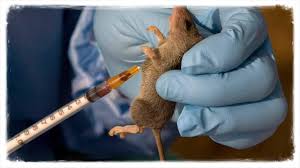
Lassa fever, a viral haemorrhagic illness primarily transmitted through contact with the urine or faeces of infected rats, remains a serious health concern in Nigeria. Human-to-human transmission, especially in healthcare settings, also contributes to its spread. Early diagnosis and prompt treatment are essential to reducing the fatality rate and limiting the impact of the disease nationwide.


Happy
0 %

Sad
0 %

Excited
0 %

Sleepy
0 %

Angry
0 %

Surprise
0 %
 0
0
 0
0