
NETIZENS REACT AS SIGN-OUT BAN SPREADS NATIONWIDE
Read Time:3 Minute, 33 Second

By: Sefiu Ajape
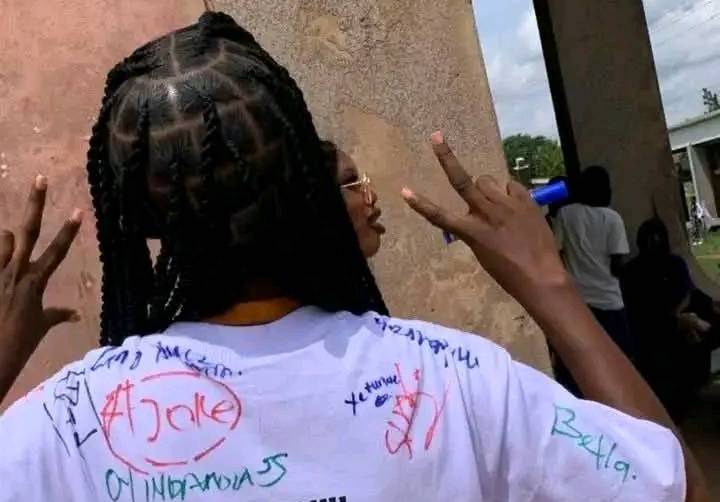
For years, “signing out” has stood as a defining rite of passage for Nigerian students — a moment when white shirts become canvases of farewell messages, and excitement fills the air.
Once a symbol of joy, however, the practice is now under growing scrutiny, with states and institutions tightening rules amid rising concerns over misconduct and excess.
Across Nigeria, restrictions on extravagant “sign-out” and graduation celebrations are spreading, as governments and schools cite morality, safety, and financial concerns.
The bans, however, have ignited heated debate, dividing opinions among parents, educators, and students.
On July 24, 2025, the Sokoto State Government announced a ban on all “signing-out” celebrations for graduating secondary school students in public and private schools, linking the decision to rising cases of misconduct and vandalism.
In Imo State, a directive issued on August 18 barred graduation parties for kindergarten, nursery, and JSS-3 pupils, a decision endorsed by the National Orientation Agency (NOA).
Similarly, Ondo State on August 27 prohibited nursery, primary, and junior secondary school graduation ceremonies as part of reforms to ease financial pressure on parents.
At the tertiary level, Nnamdi Azikiwe University in Anambra State announced on August 20 an immediate ban on final-year “signing-off” exam celebrations, warning violators of disciplinary action.
Just a day later, tension broke out when two female students were removed from campus for wearing marker-scribbled shirts in defiance of the directive.
Edo State has since joined the trend, with reports around August 28 confirming a ban on nursery and primary school graduation ceremonies, citing excessive spending and misplaced priorities.
Officials and education stakeholders argue that the measures are intended to restore decorum in schools and address disruptive practices such as shirt spraying, street parades, and even property damage.
The NOA, during a civic engagement programme in Osun State, strongly condemned indecent practices linked to the culture, especially in higher institutions.
Representing the Director General, Ayisola Olowoyo said: “In some situations, they wear white; they write a lot of things on it.
“They write on the laps of their colleagues, they write on the breasts of their colleagues. This is against national values.”
He urged parents to “protect their family’s image and instil discipline,” while unveiling a forthcoming National Values Charter aimed at curbing such practices through grassroots reorientation.
The crackdown has triggered a flood of mixed reactions online.
On Facebook, some praised the bans as necessary to restore discipline. One user wrote: “If it’s against the ethos of our society as we know it, then it must stop. Morality cannot be sacrificed on the altar of happiness.”
Another suggested moderation: “It’s a joyous experience for graduands, but it will be good if the practice is allowed within higher institutions and disallowed in secondaries.”
Others, however, dismissed the policy as misplaced. “Graduate no see work do for this country. See wetin be FG concern,” one user said.
Another, Kingsley Dammo, argued: “Signing out is a momentum of dream come true… students suffer a lack of facilities, a lack of scholarship. I think that is their problem, not signing out.”
On X (formerly Twitter), pushback was sharper. “How this is any of their business is beyond me… kids will be kids no matter what,” @alaomichael queried.
“They should look at hunger among students first. It’s a more pertinent and persistent issue,” @HollaNaija added.
Yet others backed the restrictions. @Franky9584 remarked: “Good move… You go even see some students wey get carry over, signing out only to come back next year to rewrite the course.”
On Instagram, reactions were more emotional. Helmaqueen1 lamented: “Anything to take away the happiness of the youth.”
“They shouldn’t do that to universities, but I support that of secondary, primary and nursery schools!!” kween___mimi said.
Atiinnuke, however, condemned the bans: “Very bitter people… always hating on things that make students happy. Did they steal? Did they kill anybody or what exactly???”
The wave of bans leaves a pressing question: where does youthful celebration end and excess begin?
As more states impose restrictions while others watch, the once-vibrant ritual of shirt spraying, street parades, and bold scribbles now faces an uncertain future.
Could this signal the beginning of the end for Nigeria’s “sign-out” culture?


Happy
0 %

Sad
0 %

Excited
0 %

Sleepy
0 %

Angry
0 %

Surprise
0 %
 0
0
 0
0