
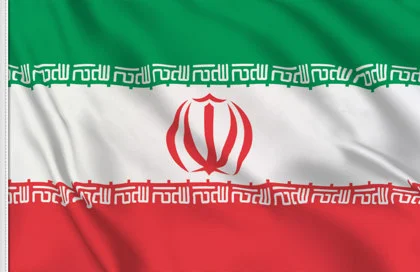
IRAN CRITICISES TRUMP’S THREAT TO DECLARE STRAIT OF HORMUZ US TERRITORY
Read Time:3 Minute, 3 Second
By: Muftau Fatimo
Iran has rejected US President Donald Trump’s claim that he could soon declare the Strait of Hormuz part of US territory, insisting that the strategic waterway will remain under Iranian control.
Trump has repeatedly maintained that the Strait of Hormuz, which Tehran effectively closed following the outbreak of the Middle East war in late February, falls under US control, despite continued restrictions on maritime traffic.
Iranian Deputy Foreign Minister Kazem Gharibabadi responded in a post on X on Saturday, declaring that the Strait of Hormuz “has been Iranian, is Iranian, and will remain Iranian.”
He added that the waterway would only be opened or closed at Iran’s direction.
Trump, speaking at a political rally in New York state on Friday, said that following a US victory over Iran, he would “pretty soon” declare the Strait of Hormuz a US territory.
It’s true,” he added.
An unnamed White House official later clarified that Trump was joking, the Wall Street Journal reported.
Last week, a top Iranian official set out a list of conditions for reopening the strait, including an end to the “war and aggression against Iran and its allies in Lebanon, Palestine, Yemen, and Iraq”.
Mohammad Bagher Zolghadr also demanded the end of crippling sanctions, the release of frozen assets and compensation for wartime damage.
– Ongoing attacks –
As diplomacy stalls between the longtime foes, attacks in the Hormuz strait have continued, highlighting the continued risks to regional shipping.
The United Arab Emirates’ state-owned oil giant ADNOC said on Saturday that one of its vessels came under attack the night before.
Abu Dhabi’s foreign ministry later blamed Tehran, and said that Iran’s Revolutionary Guards were engaged in “acts of piracy” in the strait.
On Friday the Gulf nation blamed Iran for other attacks on two vessels linked to ADNOC as they passed through the waterway.
The attacks contributed to the breakdown of a ceasefire agreement reached between the United States and Iran in April.
As Iran continues to restrict maritime traffic through the Strait of Hormuz, its Houthi allies in Yemen have announced a parallel blockade targeting Saudi ports in the Red Sea, the oil-producing kingdom’s only other major maritime outlet.
A June agreement between Washington and Tehran, which was intended to provide a basis for negotiations toward a lasting settlement, stated that Iran and Oman would discuss future arrangements for the Strait of Hormuz with other Gulf countries and in accordance with applicable international law.
Before the conflict, the Strait of Hormuz handled roughly one-fifth of global oil and liquefied natural gas exports. The ongoing dispute over the strategic waterway has repeatedly pushed energy prices higher, increasing economic and political pressure on Washington.
Iran wants to control the strait and charge tolls, powers it did not exercise before the war and ones that the US fiercely opposes.
The closure of Hormuz has driven up prices for US voters, creating a political headache for Trump as November’s midterm elections near.
US Vice President JD Vance said this week that Washington’s top priority in the Iran war was keeping energy prices low for Americans, while preventing Tehran from acquiring a nuclear weapon ranked second.
Tehran signalled last week that it had agreed with Oman on a route for ships to transit the strait and were finalising arrangements to jointly manage the waterway.
The US has imposed its own retaliatory blockade of Iranian ports in an attempt to cripple its economy.
“We have the blockade. No ships get through unless we want them to,” Trump said to a cheering crowd of supporters on Friday.
AFP


Happy
0 %

Sad
0 %

Excited
0 %

Sleepy
0 %

Angry
0 %

Surprise
0 %
 0
0
 0
0