
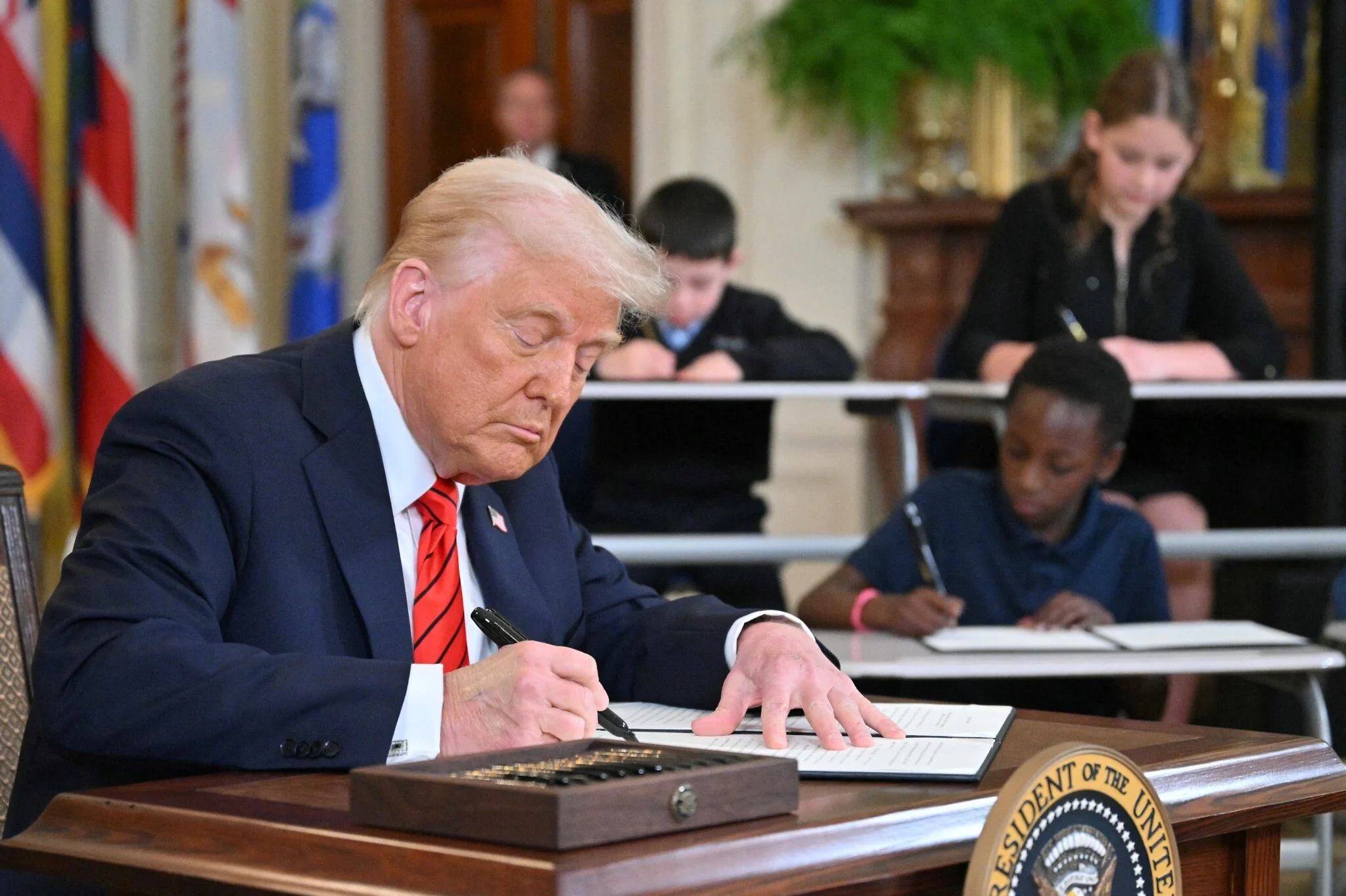
TRUMP IMPOSES NEW US TRAVEL RESTRICTIONS, NIGERIA AMONG 15 COUNTRIES FACING PARTIAL BAN
Read Time:2 Minute, 27 Second
By Aishat Momoh. O.
United States President Donald Trump has signed a new Proclamation further restricting entry into the country for nationals of several countries considered high-risk to U.S. national security, with Nigeria listed among 15 additional nations now subject to partial travel restrictions.
The decision, announced in a fact sheet published on the White House website on Tuesday and dated December 16, 2025, is aimed at addressing what the administration described as “demonstrated, persistent, and severe deficiencies in screening, vetting, and information-sharing” by affected countries.
According to the document titled “President Donald J. Trump Further Restricts and Limits the Entry of Foreign Nationals to Protect the Security of the United States,” the latest action strengthens existing travel controls through what the White House called “common-sense restrictions based on data.”
Nigeria joins Angola, Antigua and Barbuda, Benin, Côte d’Ivoire, Dominica, Gabon, The Gambia, Malawi, Mauritania, Senegal, Tanzania, Tonga, Zambia and Zimbabwe under newly imposed partial restrictions.
The Proclamation maintains full entry restrictions on nationals of 12 countries previously listed under Proclamation 10949: Afghanistan, Burma, Chad, Republic of the Congo, Equatorial Guinea, Eritrea, Haiti, Iran, Libya, Somalia, Sudan and Yemen.
It also introduces full restrictions on five additional countries—Burkina Faso, Mali, Niger, South Sudan and Syria—as well as individuals holding Palestinian Authority-issued travel documents. Laos and Sierra Leone, which were previously under partial restrictions, have now been elevated to full restrictions.
Nationals from Burundi, Cuba, Togo and Venezuela remain subject to partial restrictions under the updated policy.
The White House noted that the Proclamation includes exemptions for lawful permanent residents, existing visa holders, certain visa categories such as diplomats and athletes, and individuals whose entry is deemed to serve U.S. national interests.
President Trump’s decision follows consultations with cabinet officials and assessments conducted under Executive Order 14161 and existing travel-related proclamations. The administration said the restrictions are country-specific and designed to encourage cooperation with affected nations in improving security and vetting processes.
The fact sheet cited concerns including widespread corruption, unreliable civil documentation, lack of comprehensive birth-registration systems, refusal to share passport and law-enforcement data, high visa-overstay rates, and failure to repatriate deportable nationals. It also referenced the presence of terrorist, criminal and extremist activities in some of the affected countries.
Trump had earlier, on October 31, designated Nigeria a “country of particular concern” following allegations of widespread persecution of Christians.
The White House framed the move as part of the President’s broader national security agenda, stating that the policy aligns with previous Supreme Court rulings affirming the President’s authority to impose travel restrictions for legitimate security purposes.
Meanwhile, the Proclamation lifted restrictions on nonimmigrant visas for Turkmenistan, citing improved cooperation with U.S. authorities, while maintaining limits on immigrant visas for Turkmen nationals.
The administration said it would continue to review country-specific conditions and adjust restrictions as cooperation and security standards evolve.


Happy
0 %

Sad
0 %

Excited
0 %

Sleepy
0 %

Angry
0 %

Surprise
0 %
 0
0
 0
0