
WORLD FOOD DAY: LAGOS TARGETS 40% FOOD SUFFICIENCY, EXPANDS AGRICULTURAL PROJECTS
Read Time:2 Minute, 49 Second
By: Fasasi Hammad
The Lagos State Government has announced plans to increase food sufficiency from approximately 20 per cent to 40 per cent of the state’s total demand and produce 50 million fish fingerlings annually as part of efforts to boost local food production and reduce reliance on imports.
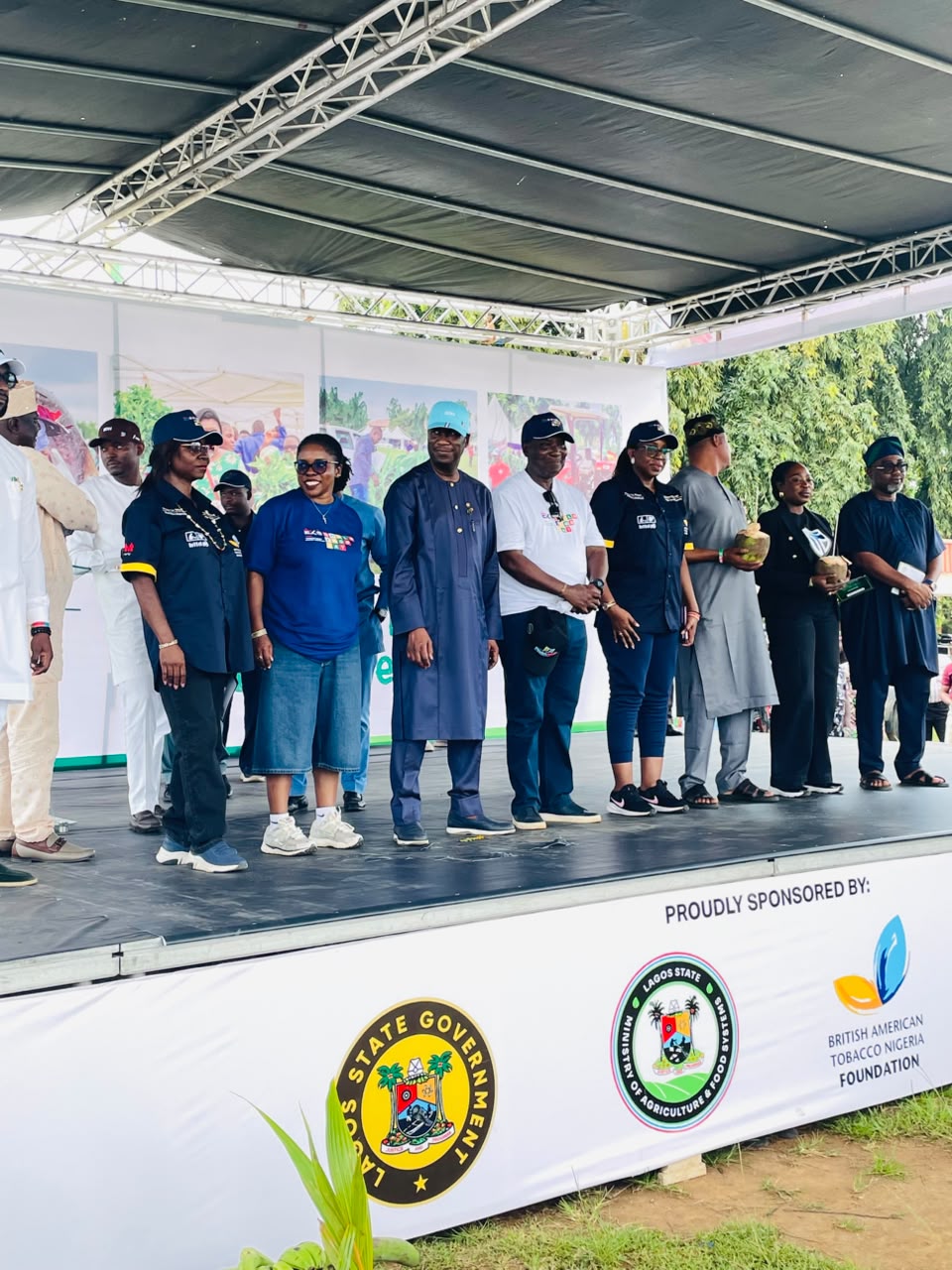
Governor Babajide Sanwo-Olu disclosed this at the 2026 Eko World Food Day celebration, themed “Innovate Today, Nourish Tomorrow,” held at the Police College, Ikeja. He was represented at the event by the Deputy Governor, Dr Obafemi Hamzat.
The governor also highlighted plans to fatten at least 100,000 cattle annually to increase meat production and strengthen the state’s food supply. He urged residents to embrace urban farming by utilising available spaces around their homes to cultivate vegetables and other crops.
Hamzat explained that the state’s five-year agricultural and food systems roadmap was designed to increase local production, strengthen processing and distribution, and ensure that nutritious food remained accessible and affordable.
He identified infrastructure and markets, production and processing, people and skills, and innovation and farmer support as the four key pillars of Lagos State’s food security agenda.
According to him, the Lagos State Central Food Security System and Logistics Hub, alongside mid-level agricultural produce hubs and last-mile distribution networks, was being developed to eliminate unnecessary intermediaries, reduce food waste and deliver food to consumers at competitive prices.
He disclosed that Phase One of the central food security hub in Ketu was at an advanced stage, while facilities in Mushin and Agege had been commissioned. Construction was also ongoing at Abijo, Okwebi in Ikeja and Bombata on Lagos Island.
On food processing, Hamzat said the Lagos Rice Mill in Imota had an annual production capacity of approximately 2.5 million 50-kilogram bags of rice. He added that the facility had generated about 2,000 jobs, empowered approximately 500 farmers and supported more than 1,500 hectares of paddy farmland.
He further revealed that the Eko Agro Mechanisation Programme had facilitated the cultivation of over 3,000 hectares of farmland, benefiting about 5,000 farmers through improved access to agricultural machinery.
In the livestock sector, the deputy governor highlighted the cattle feedlot project at Igbodu in Epe and a pilot dairy farm in Yafin, Badagry, where fresh milk production had commenced.
Hamzat also disclosed that the Lagos Aquaculture Centre of Excellence in Epe, being developed through a public-private partnership, would feature a hatchery, feed mill and processing plant. The facility is expected to produce 50 million fish fingerlings, 2,000 tonnes of fish and 24,000 tonnes of aquaculture feed annually.
Speaking on skills development, he said the Lagos Agripreneurship Programme had trained more than 4,400 youths and women in poultry farming, aquaculture, vegetable cultivation and piggery. More than 2,000 beneficiaries had also received assets and agricultural inputs to establish or expand their businesses.
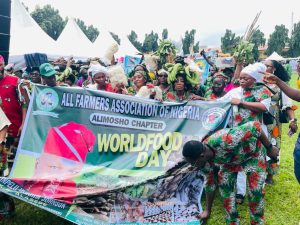
Earlier, the Special Adviser to the Governor on Agriculture and Food Systems, Dr Oluwarotimi Fashola, encouraged residents to adopt urban farming by growing crops in available spaces around their homes.
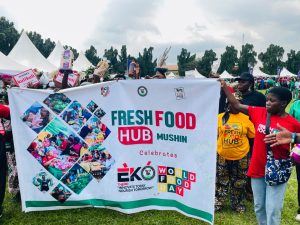
The celebration featured a march-past involving farmers and stakeholders across the agricultural value chain, who showcased their products.
World Food Day is observed annually on October 16 to commemorate the establishment of the United Nations Food and Agriculture Organization in 1945 and promote global efforts to combat hunger and malnutrition.


Happy
0 %

Sad
0 %

Excited
0 %

Sleepy
0 %

Angry
0 %

Surprise
0 %
 0
0
 0
0