
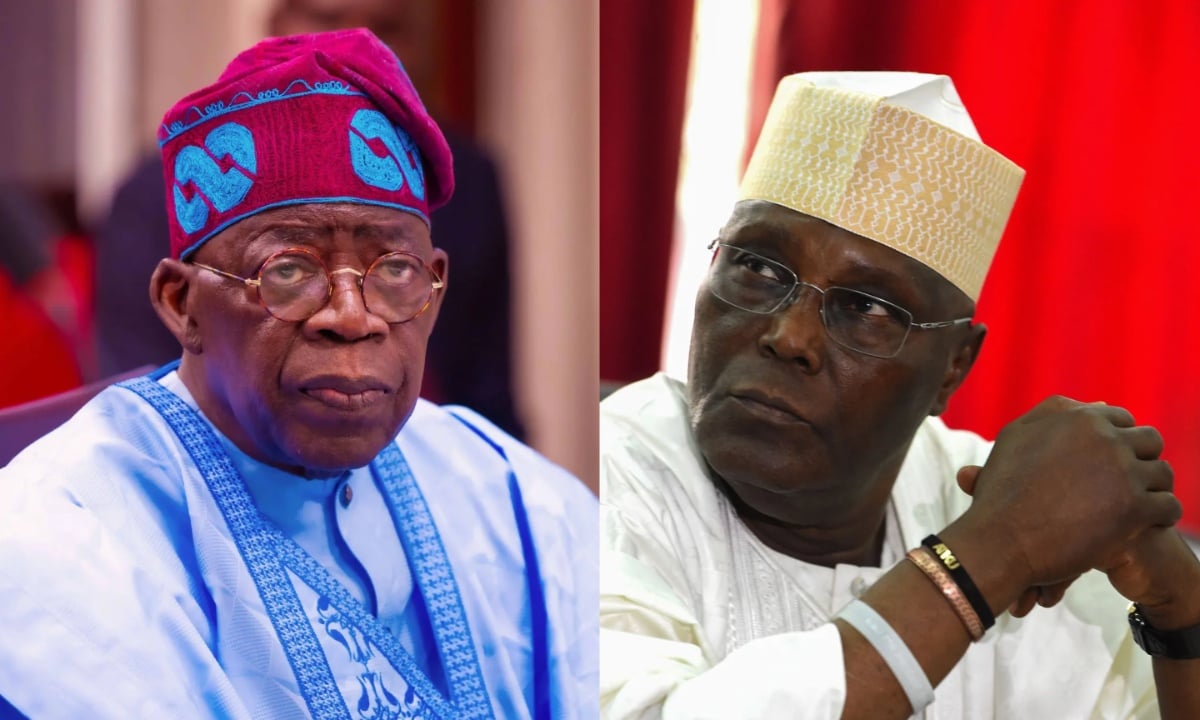
2027: ‘NIGERIANS STRUGGLE TO FEED THEIR CHILDREN, WORKERS CAN’T AFFORD TRANSPORT’ – ATIKU CRITICISES TINUBU
Read Time:1 Minute, 34 Second
By: Muftau Fatimo
The African Democratic Congress (ADC) presidential candidate, Atiku Abubakar, has criticised President Bola Tinubu’s economic policies, describing them as unsuccessful and accusing the administration of worsening the cost-of-living crisis.
Atiku said Nigerians were increasingly struggling to afford basic necessities, claiming that government revenue announcements had little meaning for families unable to feed their children, while workers were finding it difficult to pay transportation fares.
In a statement signed by the Director of Strategic Communications of the ADC Presidential Campaign Council, Phrank Shaibu, Atiku said the disparity between government revenue figures and the economic realities faced by citizens was also reflected in assessments by international institutions.
He said, “In June 2026, the IMF said reforms had improved Nigeria’s macroeconomic outcomes, but also acknowledged that conditions remained difficult for many Nigerians, estimating poverty at 63 per cent under the national poverty line and saying 27 million Nigerians had faced food insecurity in the latter part of 2025.
It warned that higher fuel, food and transport costs could worsen poverty and food insecurity.
Recent fuel-price pressures have further intensified the squeeze on household budgets, with petrol selling at around N1,400 per litre in Lagos and Abuja and as high as N1,500 in parts of northern Nigeria in September, while diesel exceeded N2,000 per litre.
“The philosophy of an economic reform cannot be that the poor surrender more and more while those already insulated from hardship become increasingly comfortable. Nigerians were promised that today’s pain would produce tomorrow’s gain. After more than three years, they are entitled to ask: gain for whom?
A mother cannot feed her children with a government revenue announcement. A worker cannot pay transport fare with a speech about reform. Nigerians do not eat GDP figures, FAAC allocations or PowerPoint presentations. The numbers must eventually arrive at the dinner table.”


Happy
0 %

Sad
0 %

Excited
0 %

Sleepy
0 %

Angry
0 %

Surprise
0 %
 0
0
 0
0