
ATIKU’S REPORTED SUBSIDY RESTORATION PLAN COULD PUT TINUBU’S ECONOMIC POLICIES UNDER PRESSURE AHEAD OF 2027 — BAKO
Read Time:2 Minute, 19 Second
By: Muftau Fatimo
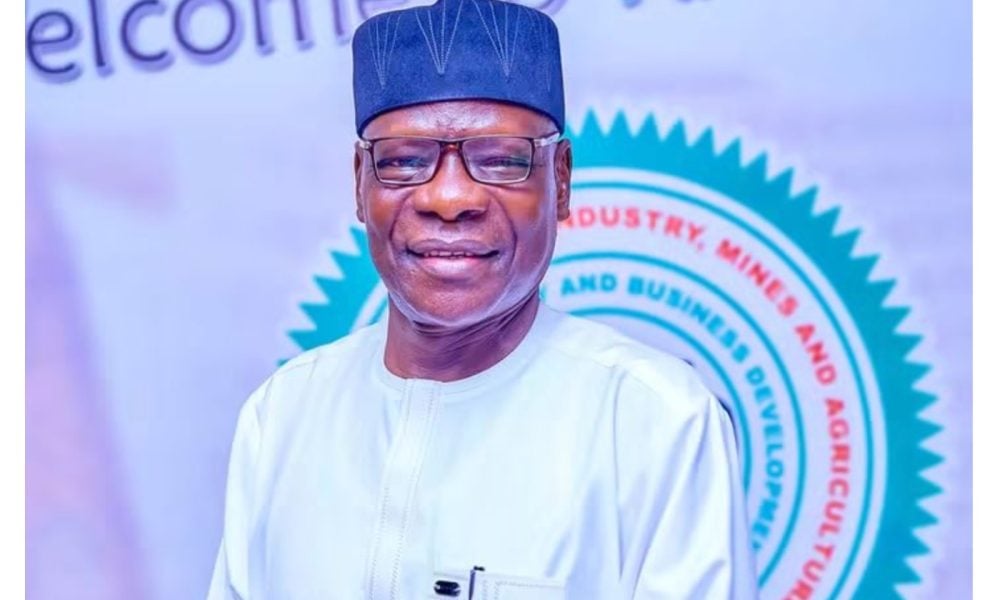
Political analyst Abbati Bako has said former Vice-President Atiku Abubakar’s reported pledge to restore petrol subsidies if elected president could intensify scrutiny of President Bola Tinubu’s economic policies ahead of the 2027 general election.
In a Facebook post on Friday, Bako argued that the proposal could make petrol prices, accountability for subsidy savings and the impact of economic reforms key issues in the build-up to the election.
Atiku reportedly questioned how the funds saved from subsidy removal had been utilised, asking, “I did not oppose the removal of the subsidy. But where is the money? Where did it go?”
According to Bako, the position could increase pressure on the Federal Government to explain how the savings had been spent and demonstrate the benefits of its economic reforms to Nigerians.
He noted that petrol prices could become a major campaign issue because of their impact on transportation, agriculture, trade and household expenses.
“Suddenly, 2027 election now has alternative, and in democracy, alternative is power,” Bako wrote.
The analyst said voters would likely assess competing economic proposals based on their effects on transportation costs, food prices, household incomes and business operations.
However, he noted that any plan to restore petrol subsidies would raise questions about funding, affordability, transparency and long-term sustainability, particularly amid concerns about public debt and government finances.
The Federal Government has maintained that removing the petrol subsidy was necessary to reduce pressure on public finances and free up resources for other developmental priorities.
Bako also questioned the outcomes of the administration’s foreign exchange reforms, arguing that employment, infrastructure, healthcare, education and living standards should be key indicators for evaluating its economic performance.
He further called for greater accountability in public spending, citing rising living costs and concerns about government expenditure, including lawmakers’ vehicles, Hajj subsidies and a proposed presidential yacht. However, the specific figures and claims surrounding these expenditures require verification against official records.
The analyst also suggested that Atiku’s reported position could spark further debate among opposition figures, including Peter Obi and Rabiu Kwankwaso. Their respective positions on restoring petrol subsidies, however, would need to be established independently.
Bako argued that fuel prices could become a defining issue in the 2027 election, alongside inflation, unemployment, public spending and economic growth.
“Election 2027 will not be about APC vs ADC. It will be about N1,500 fuel vs N400 fuel,” he wrote.
The figures cited by Bako reflect his political argument rather than verified projections of future petrol prices. Actual pump prices would depend on several factors, including global crude oil prices, exchange rates, refining costs and government policy.
The debate ultimately centres on whether competing economic proposals can deliver more affordable energy and improve living standards while ensuring fiscal sustainability and transparency.


Happy
0 %

Sad
0 %

Excited
0 %

Sleepy
0 %

Angry
0 %

Surprise
0 %
 0
0
 0
0