
BANK CUSTOMERS MAY NOT RECOVER ALL DEPOSITS AFTER CBN REVOKES 46 MFB LICENCES – OGUNBUNKA
Read Time:2 Minute, 30 Second

By; Ganiyat Sunmola
The President of the Bank Customers’ Association of Nigeria (BCAN), Dr. Uju Ogunbunka, has expressed concern over the Central Bank of Nigeria’s (CBN) revocation of the operating licences of 46 microfinance banks, warning that the decision could have significant consequences for customers, businesses and the nation’s economy.
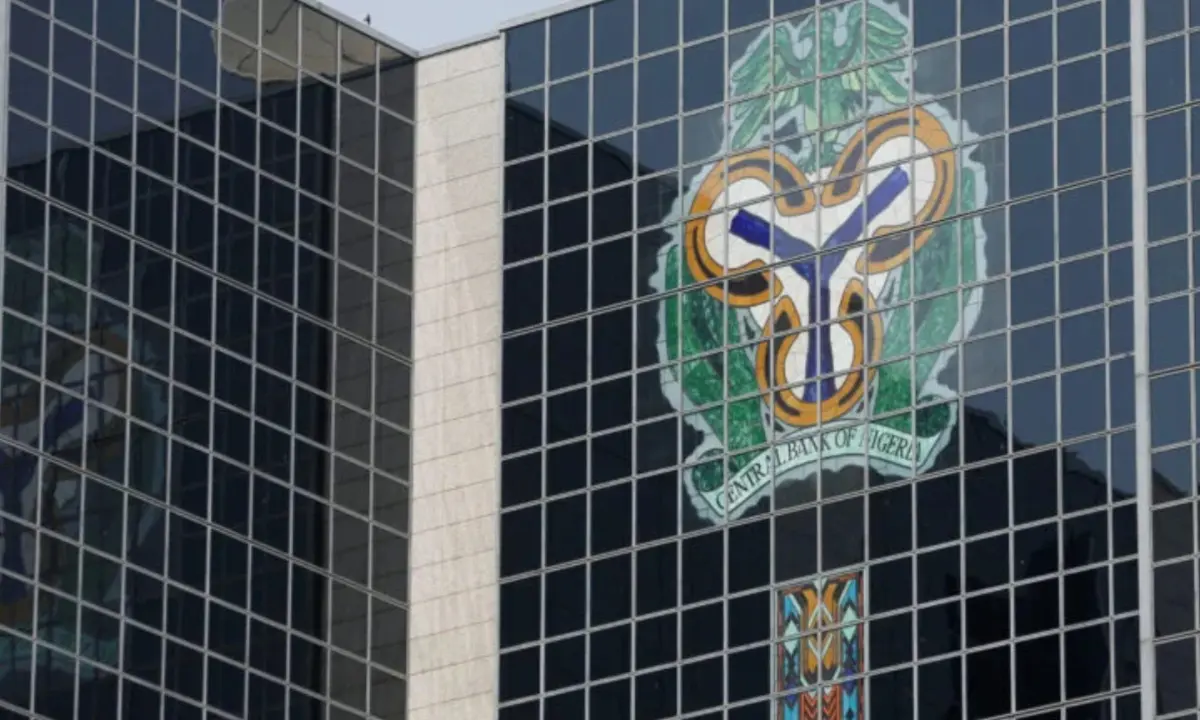
The CBN revoked the licences of the affected microfinance banks on July 1 for failing to comply with regulatory requirements. Following the action, the Nigeria Deposit Insurance Corporation (NDIC) assumed control of the failed institutions in line with its statutory mandate.
Reacting to the development, Ogunbunka described the move as a major setback, noting that its impact extends beyond depositors to businesses, employees and Nigeria’s financial inclusion efforts.
He explained that customers with funds in the affected banks would be unable to access their deposits until the NDIC begins the reimbursement process, stressing that only insured deposits are guaranteed.
“If the people managing those institutions had fully considered the consequences of allowing the banks to fall into distress, perhaps the situation could have been avoided.
“Unfortunately, it has happened, and now the focus is on recovering as much as possible because there is no way everyone will recover everything they deposited.
“Customers’ funds will remain tied down until the NDIC begins paying insured deposits. Even then, only the insured amount will be paid initially.
“If a customer has more than the insured limit in the bank, the outstanding balance will only be considered after other depositors have been settled and if sufficient funds remain,” he said.
Ogunbunka also warned that customers who relied on the affected microfinance banks for daily transactions would be forced to seek alternative financial institutions, a situation he said could undermine years of progress in expanding financial inclusion.
He noted that some affected customers could lose confidence in the banking system altogether, discouraging others who have yet to embrace formal financial services from joining.
According to him, the closure of the banks will also affect businesses that depended on loans and credit facilities provided by the institutions.
“The economy will lose an important source of financing because many businesses relied on these banks for credit.
“Those businesses will now have to seek alternative funding, and for customers who still have outstanding loans, securing fresh financing from other banks may prove very difficult,” he said.
Ogunbunka further warned that the collapse of the banks could lead to job losses, with wider social and security implications.
“The employees of these institutions will lose their jobs, increasing unemployment. If many people are left without a means of livelihood, it could worsen the insecurity challenges already facing the country,” he said.
He urged the NDIC to speed up the liquidation and reimbursement process to minimise hardship for affected customers.
According to him, customers in urban areas should consider opening accounts with other nearby banks to continue their financial activities, while noting that those in rural communities may face greater challenges because of limited access to alternative banking services.


Happy
0 %

Sad
0 %

Excited
0 %

Sleepy
0 %

Angry
0 %

Surprise
0 %
 0
0
 0
0