

EKITI STRENGTHENS DISEASE SURVEILLANCE TO PREVENT EBOLA, DIPHTHERIA
Read Time:3 Minute, 24 Second

By: Fasasi Hammad
The Ekiti State Government has intensified disease surveillance and rapid response mechanisms across its 16 Local Government Areas to prevent outbreaks of diseases including Ebola Virus Disease and diphtheria.
The state Commissioner for Health and Human Services, Dr Oyebanji Filani, said surveillance and response systems had been strengthened to ensure early detection, prompt reporting and effective containment of suspected cases.
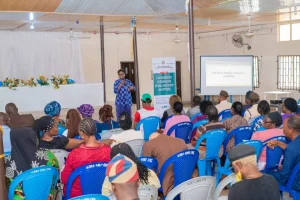
Filani, who was represented by the Permanent Secretary in the ministry, Mrs Olusola Gbenga-Igotun, spoke in Ado Ekiti, the state capital, on Saturday during a one-day sensitisation programme for stakeholders on Ebola and diphtheria.
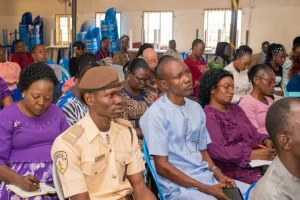
The programme was attended by community and religious leaders, market leaders, representatives of transporters, artisans and members of the media.

The commissioner said the government would continue to take proactive measures to prevent and control diseases across the state. He also commended Governor Biodun Oyebanji for his commitment to improving healthcare delivery and the wellbeing of residents.
The Ekiti State Epidemiologist, Dr Bosede Alowooye, said the World Health Organisation had declared Ebola a Public Health Emergency of International Concern, adding that countries needed to remain on alert.
“All countries need to be on alert. When we are in a state of alert, we need to carry out some activities; this sensitisation is part of it,” she said.
Alowooye said the sensitisation programme was organised to strengthen disease prevention, early detection and prompt reporting of suspected cases.
She said stakeholders were being briefed on the latest developments concerning Ebola and diphtheria, as well as preventive measures to adopt across the state.
The epidemiologist disclosed that the state public health emergency operation centre had been activated and had already carried out activities including sensitising health workers, disease surveillance structures and community informants on the signs and symptoms of the diseases and how to report suspected cases.
She added that staff at the Ekiti airport had also been trained to identify passengers who may develop sudden fever.
“We have trained the Ekiti airport staff on how to detect passengers who might be coming down with sudden fever. We have given them thermometers and sanitisers, and other IEC materials and educational materials,” she said.
Alowooye also said the state had trained its case management team, comprising doctors and nurses, to handle suspected Ebola cases.
She said health workers had received training on detection, prevention and control, while the government had provided personal protective equipment, including gloves, gowns, sanitisers and sample collection materials.
“So, Ekiti is perfectly prepared for not only Ebola, but diphtheria, Lassa fever, or any other disease,” she added.
The epidemiologist listed symptoms of Ebola to include muscle pain, headache, stomach ache, vomiting, sudden high fever, difficulty in breathing and skin rash.
She advised residents to maintain proper hand and personal hygiene and promptly report suspected cases to health authorities.
Alowooye also urged residents who had travelled to countries with reported outbreaks, including Uganda, the Democratic Republic of Congo and Rwanda, to promptly notify health authorities and seek medical attention when necessary.
The General Manager of the Ekiti State Health Insurance Scheme and Pillar Lead for Ebola Risk Communication, Dr Charles Doherty, said the government was sensitising residents to educate them about the diseases, their causes and, particularly, ways of preventing them.
He also said the exercise was aimed at addressing misconceptions about the diseases.
Doherty urged residents to take necessary precautions, stressing the importance of reporting persistent fever.
“Any fever treated for two or three days, and there’s no result, should be reported,” he said.
He also advised residents to report unusual developments to the relevant government agencies and exercise caution around international travellers, particularly those who had connections with Uganda or the Democratic Republic of Congo.
Doherty further urged residents to cooperate with health workers whenever they are contacted or seek information from them.
On diphtheria, the Secretary of the Nigerian Red Cross Society, Ekiti State Chapter, Mr Atah Adegboyega, described the disease as deadly but preventable.
He stressed the importance of routine immunisation for children and uptake of other recommended vaccines as key measures for preventing diphtheria.


Happy
0 %

Sad
0 %

Excited
0 %

Sleepy
0 %

Angry
0 %

Surprise
0 %
 0
0
 0
0