
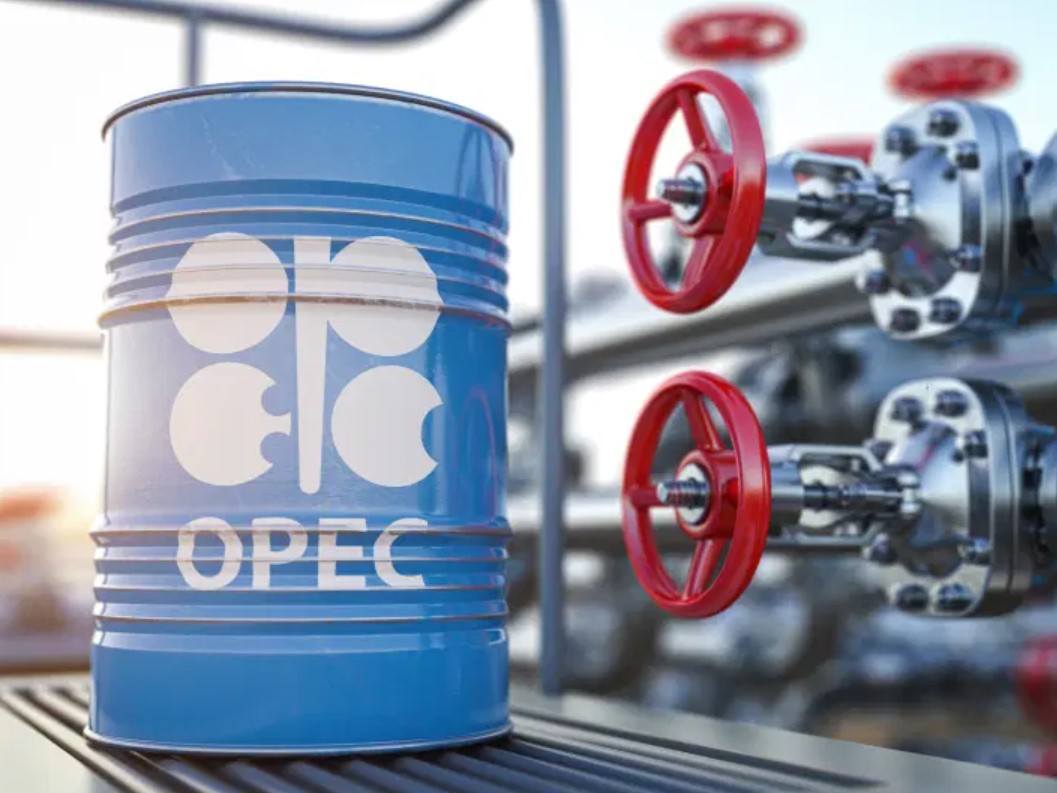
OPEC+ BOOSTS OIL OUTPUT AS GULF EXPORTS RECOVER
Read Time:2 Minute, 21 Second
By: Fasasi Hammad
Seven members of the OPEC+ alliance have agreed to increase oil production quotas once again as Gulf nations continue efforts to recover from disruptions caused by the recent Middle East conflict.
According to a statement issued on Sunday, ministers from Saudi Arabia, Russia, Iraq, Kuwait, Kazakhstan, Algeria and Oman met virtually and approved a production increase of 188,000 barrels per day, which will take effect in August 2026.
The decision comes after Gulf producers were forced to reduce output following major disruptions to shipping through the Strait of Hormuz during the regional conflict. The waterway, a critical route for global oil exports, experienced severe restrictions that affected the movement of crude oil from several Gulf countries.
Data from OPEC indicate that combined oil production from Saudi Arabia, Iraq and Kuwait declined by about six million barrels per day between the first quarter of 2026 and May.
However, conditions began to improve after Tehran and Washington signed a memorandum of understanding on June 17, committing to the removal of obstacles to maritime traffic in the Strait of Hormuz while diplomatic talks continue.
READ MORE…
67-YEAR-OLD GRANDMOTHER NABBED OVER COCAINE HIDDEN IN FAKE PLANTAIN PEELS
Commodity analyst Giovanni Staunovo of UBS said production levels remain below OPEC+ targets despite the gradual recovery.
Since the agreement, shipping activities in the region have steadily improved, helping to ease concerns over supply disruptions and pushing oil prices back toward pre-war levels.
A U.S. official cited by Bloomberg said oil flows through the Strait of Hormuz may already have surpassed 10 million barrels per day.
Analysts, however, cautioned that much of the oil currently moving through the route had already been stored in tankers and facilities before exports resumed.
Ole Hansen of Saxo Bank noted that restarting suspended oil production is a gradual process and that stronger output growth is likely to emerge in August if shipping conditions continue to stabilise.
Market observers also expect a potential surplus in global oil supplies next year as production recovers and inventories depleted during the conflict are replenished.
Analyst Jorge Leon of Rystad Energy said forecasts currently point to an oversupplied market in 2027, which could place downward pressure on oil prices.
The development comes as OPEC+ faces internal challenges following the withdrawal of the United Arab Emirates from the alliance in May and growing calls from some members for higher production quotas.
Iraq has already urged the group to raise output limits to offset losses suffered during the conflict, although analysts say such changes are unlikely in the immediate term because production remains below pre-war levels.
OPEC+ is expected to review member production baselines later this year, a process that could trigger difficult negotiations as countries seek larger quotas based on their production capacity.


Happy
0 %

Sad
0 %

Excited
0 %

Sleepy
0 %

Angry
0 %

Surprise
0 %
 0
0
 0
0