
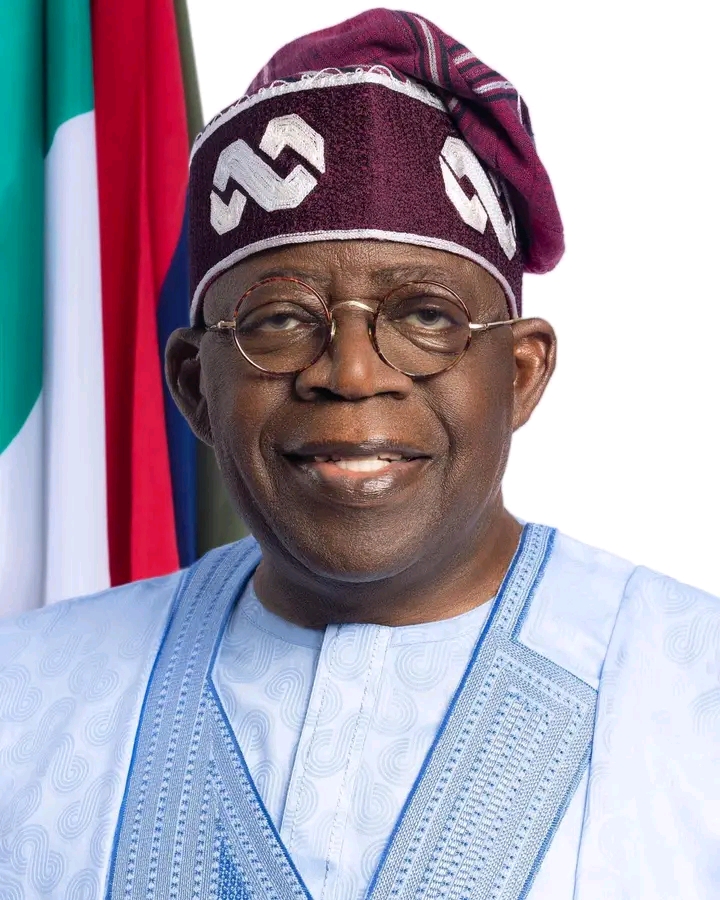
THREE YEARS ON: ECONOMISTS ASSESS TINUBU ADMINISTRATION’S PERFORMANCE
Read Time:1 Minute, 0 Second
By:Tajudeen Aminat
THREE YEARS OF TINUBU: ECONOMISTS DIVIDED AS REFORMS SPUR RECOVERY, DEEPEN HARDSHIP
Three years after President Bola Ahmed Tinubu assumed office, economists and financial analysts remain divided over the impact of his administration’s economic policies, with assessments ranging from 20 to 60 percent.
While experts acknowledge that key reforms such as fuel subsidy removal and foreign exchange liberalisation have helped stabilise public finances, boost foreign reserves, and support economic growth, they argue that the benefits have yet to translate into improved living conditions for most Nigerians.
The reforms have driven up fuel prices, weakened purchasing power, and contributed to soaring costs of food, transportation, and other essentials, leaving many households struggling amid persistent inflation and a high cost of living.
Economists Okechukwu Unegbu, Godwin Oyedokun, and Gbolade Idakolo agreed that despite signs of macroeconomic recovery, ordinary Nigerians continue to face severe economic hardship. While some praised the administration for undertaking difficult but necessary reforms, others questioned the extent to which official economic gains have improved citizens’ welfare.
The experts maintained that the ultimate measure of the administration’s success would be its ability to convert economic reforms into tangible improvements in the lives of Nigerians.


Happy
0 %

Sad
0 %

Excited
0 %

Sleepy
0 %

Angry
0 %

Surprise
0 %
 0
0
 0
0