
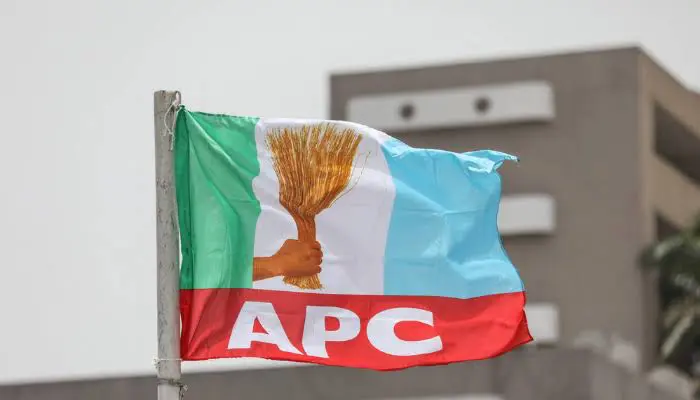
APC PRIMARIES ROCKED BY UPSETS, CONSENSUS DEALS, DISQUALIFICATIONS AHEAD OF 2027 POLLS
Read Time:3 Minute, 7 Second
The build-up to the 2027 general elections took a dramatic turn on Monday as the senatorial primaries of the All Progressives Congress produced a wave of political upsets, consensus arrangements, high-profile withdrawals, and protests across several states.
The primaries, held nationwide, reshaped the party’s political landscape as influential figures battled for tickets amid allegations of manipulation, disputed clearances, and internal realignments ahead of the 2027 elections.
Among the most notable outcomes was the political comeback of former Yahaya Bello, who secured the APC ticket for Kogi Central Senatorial District in a landslide victory. Bello polled 72,399 votes to defeat his rivals, Ibrahim Yakubu Adoje and Momoh Obaro, across the five local government areas in the district.
In Imo State, Governor Hope Uzodimma defeated former governor Rochas Okorocha to clinch the APC ticket for Imo West Senatorial District. Uzodimma polled 230,464 votes against Okorocha’s 1,098 votes in the exercise conducted on Monday.
Delta State also witnessed major political shifts as former governor Ifeanyi Okowa defeated incumbent Senator Ned Nwoko in Delta North Senatorial District. Okowa recorded 113,039 votes, while Nwoko secured 2,612 votes.
Similarly, Senator Ede Dafinone defeated former Deputy Senate President Ovie Omo-Agege in Delta Central. Official results showed Dafinone polling 116,252 votes against Omo-Agege’s 3,643 votes.
However, Omo-Agege rejected the outcome and declared himself winner, insisting collated ward results showed overwhelming support in his favour.
In Akwa Ibom, Senate President Godswill Akpabio emerged unopposed as the APC candidate for Akwa Ibom North West Senatorial District during an affirmation exercise held in Ukana, Essien Udim Local Government Area.
Deputy Senate President Barau Jibrin also emerged through affirmation in Kano North amid a strong show of support from party leaders and delegates.
Other top APC figures who emerged through consensus arrangements included Senate Leader Opeyemi Bamidele in Ekiti Central, Senator Ali Ndume in Borno South, former Senate President Ahmad Lawan in Yobe North, and former Kebbi State Governor Adamu Aliero in Kebbi Central.
In Ogun State, confusion trailed the primaries as former governors Gbenga Daniel and Ibikunle Amosun stayed away from the exercise amid claims of pre-arranged consensus deals.
Governor Dapo Abiodun dismissed reports of violence and described the process as peaceful and transparent.
The APC primaries in Edo South ended in controversy after rival camps issued conflicting victory claims. While the party collation committee declared Omoregie Ogbeide-Ihama winner, another faction reportedly announced Osagie Ize-Iyamu as victor.
Senator Neda Imasuen rejected the process, describing it as manipulated and lacking credibility.
Tension also surfaced in Rivers State where Senator Ipalibo Banigo protested her disqualification from the APC senatorial primaries, describing the decision as unfair and politically motivated.
Earlier in the day, the APC released a controversial list of aspirants who were not cleared to participate in the primaries. The initial list contained 47 names, including former senator Ben Murray-Bruce, before an updated version reduced the figure to 44 without explanation.
The revised list triggered confusion after some aspirants previously marked “Not Cleared” were either removed or reclassified as having voluntarily withdrawn, defected, or failed to appear for screening.
Prominent figures affected included Chief Tamunobaabo Danagogo, Tein Jack-Rich, Senator Benson Agadaga, and several aspirants from Rivers, Zamfara, Oyo, Plateau, Nasarawa, Bayelsa, and Cross River states.
In Kwara State, confusion deepened after reports emerged that Senator Saliu Mustapha had secured clearance to contest against Governor AbdulRahman AbdulRazaq despite earlier indications that the governor would emerge unopposed.
The development reportedly unsettled party stakeholders who had anticipated a smooth consensus arrangement.
Meanwhile, APC officials in several states insisted the exercises were peaceful, transparent, and reflected the party’s commitment to internal democracy ahead of the 2027 general elections.


Happy
0 %

Sad
0 %

Excited
0 %

Sleepy
0 %

Angry
0 %

Surprise
0 %
 0
0
 0
0